

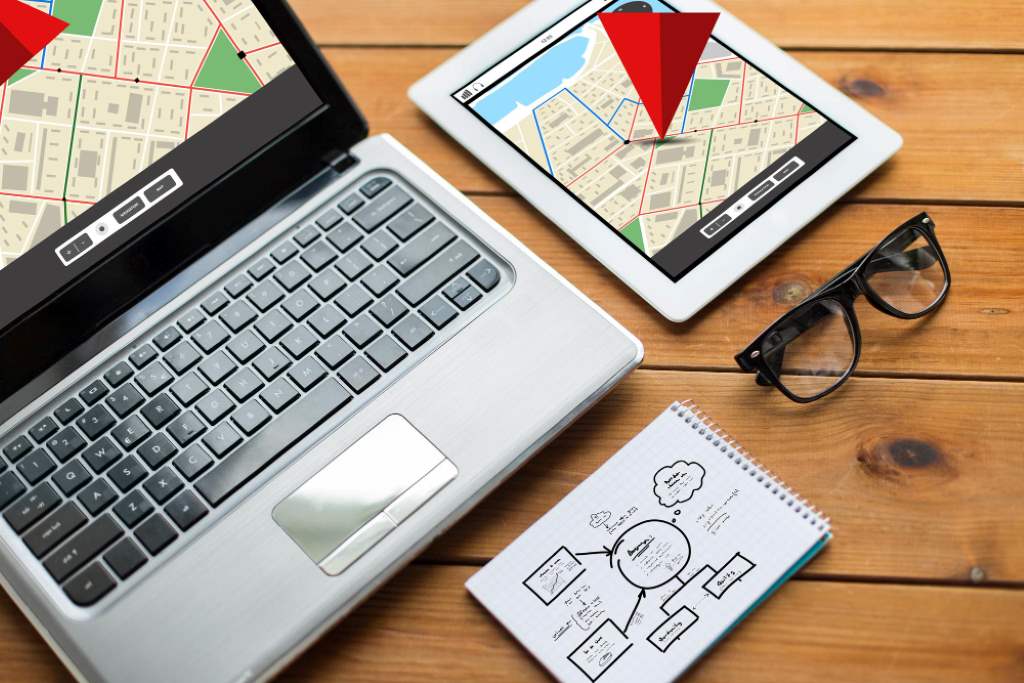
Imagine walking past your favorite coffee shop and suddenly receiving a text offering a 20% discount on your usual latte. That’s the magic of geofencing marketing! This location-based strategy uses GPS or RFID to create virtual boundaries, delivering targeted ads to customers within a specific area. Geofencing marketing examples and best practices have transformed how businesses connect with consumers, boosting engagement and sales. I once owned a small bakery and saw firsthand how geofencing brought in nearby shoppers with timely deals. In this post, we’ll explore real-world geofencing marketing examples and best practices to help you succeed. Get ready for a journey through clever campaigns and proven tips!
What Is Geofencing Marketing?
Geofencing marketing harnesses location technology to target users within a defined radius. For example, a retailer sets a virtual fence around their store, sending push notifications to nearby smartphone users. It’s like casting a digital net to catch potential customers! According to a 2023 study by Statista, 89% of marketers using geofencing saw increased foot traffic, proving its power.
This approach thrives on precision and timing. A gym might target joggers in a park, offering a free trial. Additionally, it’s versatile—retail, restaurants, and even events benefit. My bakery used geofencing to alert nearby office workers about fresh pastries, and sales jumped 15% in a month. Understanding geofencing marketing examples and best practices starts with knowing its potential.
Real-World Geofencing Marketing Examples
Let’s dive into some inspiring geofencing marketing examples! Starbucks once set geofences around busy urban areas, sending “Buy one, get one free” offers during slow hours. Customers flocked in, and foot traffic soared. Similarly, Burger King’s “Whopper Detour” campaign targeted McDonald’s locations, offering a 1-cent Whopper to users within 600 feet of a rival store. It drove 1.5 million app downloads, per a 2019 AdWeek report!
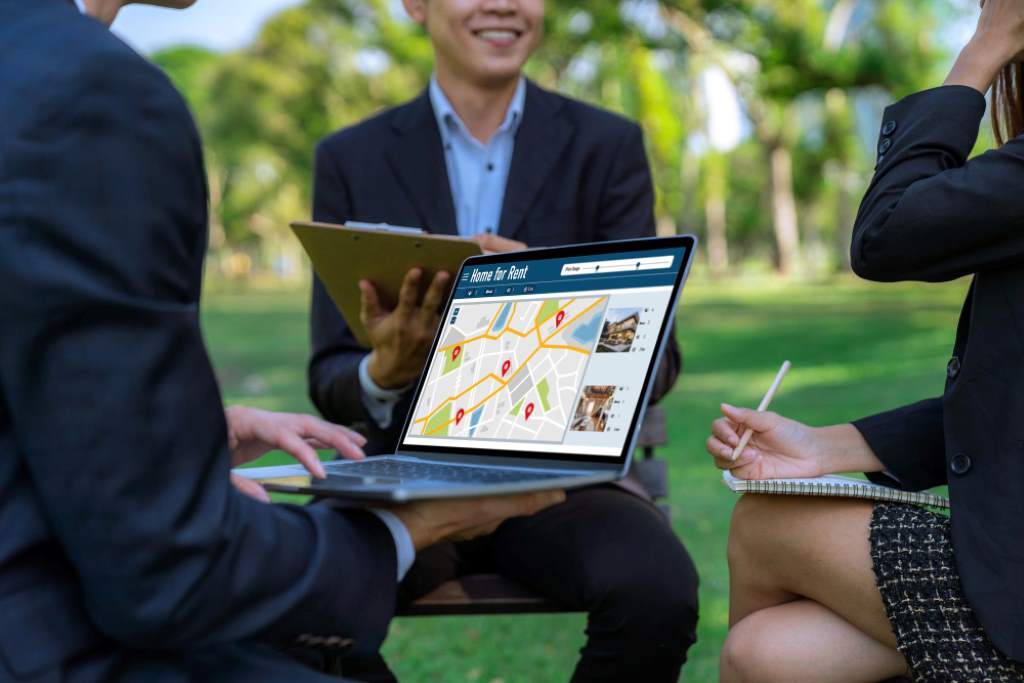
Retailers shine too. Macy’s used geofencing to push discounts to shoppers near their stores, increasing in-store visits by 28%. These geofencing marketing examples and best practices show creativity and strategy in action. Therefore, think about your audience’s habits—where do they go? Tailor your campaign to their routines for maximum impact.
Best Practices for Geofencing Marketing Success
Now, let’s uncover geofencing marketing examples and best practices to elevate your strategy! First, define your zone carefully—too wide, and you waste reach; too narrow, and you miss customers. A 1- to 5-mile radius often works for retail, depending on your area. Next, craft compelling messages. Short, urgent offers like “20% off in the next hour!” grab attention.
Additionally, time it right. A restaurant might target lunch hours, while a bar aims for evenings. I learned this at my bakery—morning alerts for croissants worked best! Also, respect privacy. Always get user consent for notifications. A 2024 Pew Research study found 72% of users opt in when offers feel relevant. Follow these geofencing marketing best practices, and you’ll connect effectively.
Key Tips for Effective Geofencing
- Set Clear Goals: Aim for foot traffic, sales, or app downloads.
- Know Your Audience: Target based on location and behavior.
- Test and Tweak: Try different radii and messages to optimize.
- Use Analytics: Track clicks and conversions to measure success.
Combining Geofencing with Other Strategies
Geofencing shines brighter when paired with other tactics. For instance, combine it with social media ads to boost awareness. A car dealership might geofence a rival’s lot, then retarget users with Facebook ads. This duo amplifies reach! Moreover, email campaigns work well too. Send a follow-up deal to users who entered your geofence but didn’t buy.
I once paired geofencing with a loyalty app at my bakery. Customers got a notification near the shop, then a coupon via email. Sales rose 10% in weeks! According to eMarketer, 67% of businesses blending geofencing with digital channels see higher ROI. So, weave geofencing marketing examples and best practices into a broader plan for success.
Challenges and How to Overcome Them
Geofencing isn’t flawless. One challenge is over-saturation—too many notifications annoy users. To fix this, limit frequency and personalize offers. Another hurdle is accuracy. GPS can falter in dense urban areas. Therefore, test your fence and adjust as needed. Privacy concerns also arise—users fear being tracked. Be transparent and offer opt-outs.
When I ran my bakery, some customers ignored repeated alerts. I switched to one weekly deal, and engagement climbed! A 2023 Forrester report notes 64% of consumers accept geofencing if it’s optional and valuable. Follow geofencing marketing best practices to dodge pitfalls. Stay adaptable, and you’ll turn challenges into wins.
Conclusion
Geofencing marketing examples and best practices offer a roadmap to engage customers like never before. From Starbucks’ clever discounts to my bakery’s morning pastry alerts, this strategy drives results. It’s about precision—targeting the right people, at the right time, with the right message. Blend it with social media or email, and watch your impact grow. However, always prioritize privacy and relevance. Ready to try it? Use these geofencing marketing best practices to craft your own success story! Share your thoughts or experiences in the comments below, or spread the word by sharing this post. For more insights, check out AdWeek.
FAQs
What is geofencing marketing?
It’s a location-based tactic using virtual boundaries to send targeted ads to nearby users.
How does geofencing benefit small businesses?
It drives foot traffic and sales with timely, local offers, leveling the playing field.
What’s a successful geofencing marketing example?
Burger King’s “Whopper Detour” offered 1-cent burgers near McDonald’s, boosting app downloads.
How do I start with geofencing marketing?
Set a clear zone, craft urgent messages, and use a platform like Google Ads.
Is geofencing marketing privacy-friendly?
Yes, if you get consent and keep offers relevant, users feel valued.