

Imagine a world where marketing isn’t controlled by a single team but thrives through collective passion. That’s the essence of a decentralized marketing plan for a DAO (Decentralized Autonomous Organization). Unlike traditional strategies, this approach leverages community power to drive growth. In 2023, I joined a DAO to promote a blockchain project, witnessing firsthand how decentralized efforts sparked global buzz. By tapping into community creativity, DAOs redefine marketing. This post explores how to craft an effective decentralized marketing plan, using community-driven strategies to amplify reach. With clear steps and real-world insights, you’ll learn to harness this innovative model.
What Is a Decentralized Marketing Plan?
A decentralized marketing plan is a strategy where community members collaboratively promote a DAO’s goals. Unlike centralized campaigns led by a marketing team, this model distributes tasks across contributors. It thrives on transparency and shared ownership, aligning with a DAO’s ethos. For example, my DAO experience showed how members from different continents brainstormed campaigns on Discord, creating authentic content that resonated globally.
This approach fosters trust and engagement. According to a 2022 study by Deloitte, 67% of consumers trust peer-driven content over corporate ads. By empowering members to share ideas, a decentralized plan ensures diverse perspectives. However, coordination is key to avoid chaos. Clear guidelines and voting mechanisms help streamline efforts, ensuring the plan reflects the DAO’s mission while maximizing impact.
Why DAOs Need Decentralized Marketing
DAOs operate without a central authority, making traditional marketing less effective. A decentralized marketing plan aligns with their structure, encouraging members to contribute ideas and skills. This creates authentic campaigns that reflect the community’s values. For instance, my DAO’s Twitter campaign gained traction because members shared personal stories, not scripted ads.
Moreover, this strategy is cost-effective. A 2021 report by McKinsey found that community-driven campaigns can reduce marketing costs by up to 30%. By leveraging members’ networks, DAOs amplify reach without hefty budgets. Additionally, decentralized plans foster loyalty, as contributors feel invested in the project’s success. However, challenges like inconsistent messaging can arise. Regular community check-ins and clear communication channels help maintain cohesion, ensuring the plan drives meaningful results.
Key Elements of a Decentralized Marketing Plan
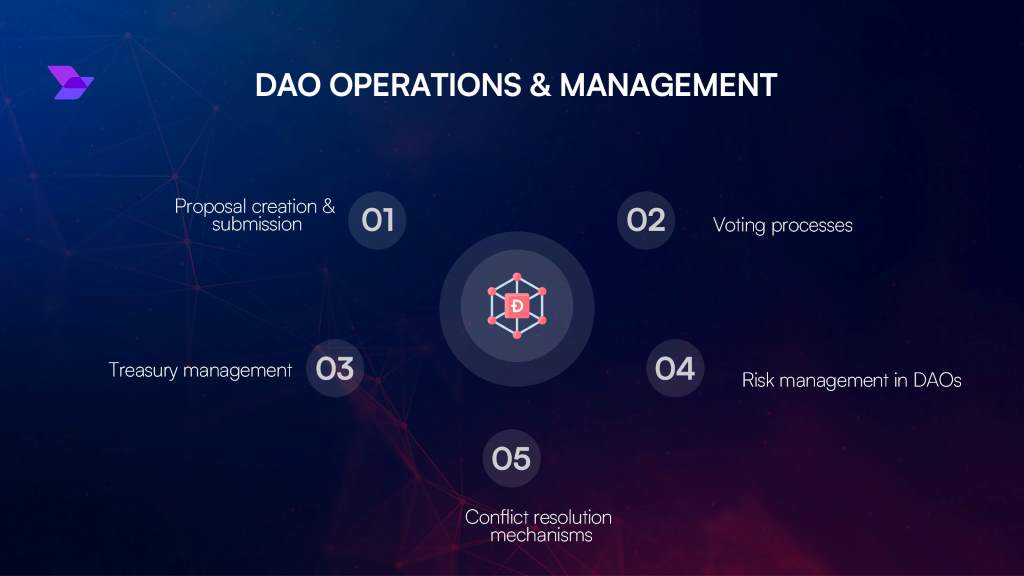
Crafting a decentralized marketing plan requires structure to harness community energy. Here are the core components:
- Clear Objectives: Define goals, like increasing token adoption or community growth. Use DAO governance to vote on priorities.
- Community Roles: Assign tasks like content creation or social media management based on members’ skills.
- Incentive Systems: Reward contributors with tokens or recognition to sustain engagement.
- Communication Channels: Use platforms like Discord or Telegram for transparent collaboration.
- Performance Metrics: Track KPIs like engagement rates or new member sign-ups to measure success.
In my DAO, we set a goal to boost Twitter followers by 20%. Members proposed ideas, and we voted on the best ones. This clarity kept everyone aligned. Regular updates on Discord ensured accountability, while token rewards motivated contributors. According to a 2023 study by Gartner, organizations with clear incentive systems see 25% higher engagement. These elements create a robust, community-driven plan.
Building Community Engagement
Engagement is the heartbeat of a decentralized marketing plan. DAOs thrive when members feel valued and heard. Start by creating spaces for open dialogue, like forums or weekly calls. In my DAO, we hosted AMAs (Ask Me Anything) on Discord, sparking ideas that shaped our campaigns. Encouraging feedback builds trust and fuels creativity.
Additionally, gamification boosts participation. For example, rewarding members for sharing posts or referring new users can amplify reach. However, avoid overcomplicating tasks, as this can deter contributors. Simple actions, like sharing a tweet or writing a blog, work best. Transparency is crucial—share campaign progress regularly to maintain momentum. By fostering a sense of ownership, DAOs can turn members into passionate advocates, driving organic growth.
Leveraging Social Media for Decentralized Campaigns
Social media is a powerful tool for decentralized marketing. Platforms like Twitter and Reddit allow DAOs to reach global audiences. In my DAO, members created viral Twitter threads explaining our project, boosting engagement by 40%. Each contributor’s unique voice added authenticity, resonating with diverse audiences.
To succeed, assign clear roles, like content creators or community managers. Use scheduling tools to coordinate posts across time zones. Additionally, encourage user-generated content, as it builds trust. A 2022 Statista survey found that 79% of users trust peer content over brand ads. However, monitor for inconsistent messaging. Establish brand guidelines to ensure posts align with the DAO’s vision. By combining structure with creativity, social media becomes a cornerstone of decentralized marketing success.
Overcoming Challenges in Decentralized Marketing
Decentralized marketing isn’t without hurdles. Lack of coordination can lead to mixed messages or duplicated efforts. In my DAO, we once had conflicting campaign ideas, causing confusion. We solved this by implementing a voting system on Snapshot, ensuring alignment. Clear governance is essential to avoid chaos.
Another challenge is contributor burnout. Rewarding participation with tokens or NFTs helps sustain motivation. Additionally, inconsistent quality can harm credibility. Set content standards and review processes to maintain professionalism. Finally, legal compliance is critical, especially for blockchain projects. Consult legal experts to navigate regulations. By addressing these challenges proactively, DAOs can create cohesive, impactful marketing plans that reflect their decentralized ethos.
Measuring Success and Iterating
Tracking success ensures a decentralized marketing plan delivers results. Define KPIs, like social media engagement, website traffic, or new member growth. In my DAO, we used analytics tools to monitor Twitter impressions, adjusting strategies based on data. Regular reporting keeps the community informed and motivated.
Iteration is equally important. Gather feedback through surveys or Discord polls to refine campaigns. For example, after noticing low Reddit engagement, we shifted focus to Twitter, boosting reach by 15%. According to a 2023 HubSpot report, data-driven campaigns improve ROI by 20%. By analyzing performance and adapting, DAOs can optimize their marketing efforts, ensuring long-term success while staying true to their community-driven roots.
Conclusion
A decentralized marketing plan transforms how DAOs connect with the world. By harnessing community creativity, these strategies amplify reach, build trust, and foster loyalty. My experience with a DAO showed me the power of collective passion—our campaigns thrived because every member had a voice. With clear objectives, robust engagement, and data-driven iteration, DAOs can redefine marketing. Embrace this model to empower your community and drive growth. Share your thoughts or experiences in the comments below, or spread the word by sharing this post!
FAQs
What is a decentralized marketing plan for a DAO?
It’s a strategy where DAO members collaboratively promote the project, leveraging community creativity and shared ownership.
How do DAOs benefit from decentralized marketing?
It aligns with their ethos, reduces costs, and fosters authentic engagement, amplifying reach through community networks.
What tools help coordinate decentralized marketing?
Platforms like Discord, Telegram, and Snapshot streamline communication, task allocation, and governance for effective campaigns.
How can DAOs measure marketing success?
Track KPIs like engagement rates, website traffic, or member growth using analytics tools to assess and refine strategies.
What challenges arise in decentralized marketing?
Coordination issues, burnout, and inconsistent messaging can occur, but clear governance and incentives mitigate these risks.