

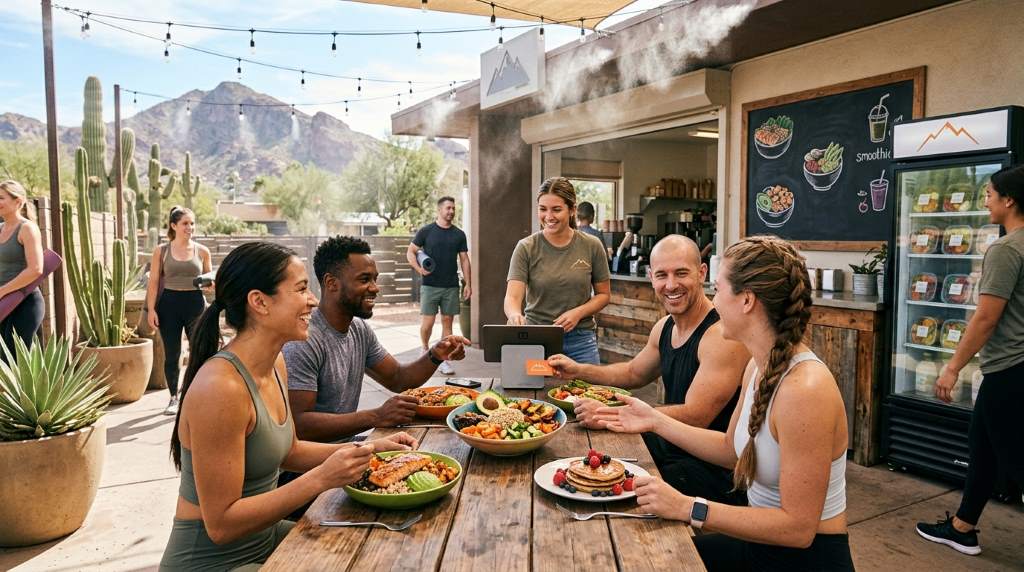
Fitness-focused food companies in Phoenix, Arizona continue to grow as more people choose healthier lifestyles. According to IBISWorld, the healthy fast-casual food market in the United States has expanded steadily over the last five years. Meanwhile, Arizona ranks among the states with rising gym memberships and wellness spending. Many local brands now compete through smarter customer retention methods instead of basic discounts alone. Businesses that understand customer behavior, climate habits, and digital engagement often outperform larger competitors. In addition, many startups study meal prep branding and promotion tips to improve customer loyalty and repeat purchases.
Understanding the Phoenix Fitness Consumer
Phoenix attracts health-conscious residents because of its active outdoor lifestyle and year-round sunshine. Many people participate in hiking, cycling, strength training, and organized fitness programs across the city. As a result, food companies must align products with performance and convenience. Buyers often prefer meals that support energy, hydration, and recovery. Companies that understand these priorities build stronger customer relationships.
Local weather also influences food choices in unique ways throughout the year. During extreme summer heat, customers usually avoid heavy meals and choose lighter options with higher water content. Therefore, brands often create menus with cold protein bowls, fresh fruits, and hydration-focused snacks. Businesses also benefit from educational campaigns such as online media visibility strategies for growing food brands because local trust matters heavily in Phoenix markets.

Personalization Builds Long-Term Customer Loyalty
Fitness-focused consumers rarely want generic meal plans or repetitive products every week. Instead, they look for brands that recognize their goals and dietary preferences. Companies in Phoenix now use customer data to personalize recommendations based on calories, macros, and eating schedules. This approach creates a stronger emotional connection with buyers. Customers who feel understood usually return more often.
Many food companies also personalize delivery timing to match customer workout routines and work schedules. For example, early-morning gym members often receive breakfast deliveries before sunrise. Meanwhile, evening fitness clients may prefer fresh dinners delivered after training sessions. Some brands improve planning through tools like AI-powered business workflow systems for scaling operations because organized logistics directly affect customer satisfaction.
Popular Personalization Methods
- Macro-based meal customization
- Seasonal ingredient recommendations
- Workout-specific nutrition plans
- Flexible subscription schedules
- Custom hydration add-ons
Subscription Models Encourage Consistent Orders
Subscription programs help businesses create predictable revenue while simplifying meal planning for customers. Many Phoenix companies now offer weekly or monthly packages with flexible menu options. Customers appreciate convenience because fitness lifestyles already require careful scheduling. In addition, recurring plans reduce the mental effort involved in daily food decisions. This convenience increases retention significantly.
Successful brands avoid rigid contracts because modern consumers value flexibility and control. Instead, companies allow easy pauses, menu swaps, and skipped delivery weeks without penalties. This customer-first approach creates trust over time. Buyers often stay loyal to brands that respect changing schedules and fitness goals. Flexibility has become a major competitive advantage in the Phoenix market.
Local Ingredients Create Emotional Connection
Many Arizona consumers actively support local agriculture and regional food suppliers whenever possible. Businesses that highlight Arizona-grown vegetables or locally sourced proteins often gain stronger community support. Customers usually associate local sourcing with freshness and transparency. As a result, these companies build credibility faster than brands that rely on generic national messaging. Local identity matters strongly in Phoenix wellness culture.
Food companies also use regional flavors to create a stronger sense of place and uniqueness. Southwest-inspired spices, citrus blends, and desert-grown ingredients help brands stand out from national competitors. Furthermore, seasonal menus create anticipation among repeat customers. Limited-time regional items encourage buyers to return regularly before products disappear. This strategy strengthens long-term engagement naturally.
Community-Based Marketing Strengthens Retention
Fitness-focused brands in Phoenix often grow through local partnerships instead of expensive national advertising campaigns. Many companies collaborate with gyms, yoga studios, cycling groups, and wellness events across the city. These partnerships create authentic visibility among highly targeted audiences. Customers trust recommendations from fitness communities they already belong to. Therefore, community integration improves retention rates substantially.
Brands also host wellness challenges, healthy cooking workshops, and outdoor recovery events throughout Phoenix neighborhoods. These experiences create emotional attachment beyond the actual product itself. People often remember community interaction longer than a simple advertisement. Consequently, businesses that invest in local experiences build deeper customer loyalty. This strategy works especially well in highly social fitness communities.
Examples of Community Engagement Tactics
- Sponsoring local marathon hydration stations
- Partnering with fitness influencers in Arizona
- Hosting outdoor wellness meetups
- Offering gym-member meal discounts
- Creating local health education seminars
Convenience Drives Repeat Purchasing Behavior
Phoenix residents often balance demanding work schedules with fitness goals and family responsibilities every week. Because of this lifestyle pressure, convenience heavily influences purchasing decisions. Food companies that simplify ordering and delivery processes gain stronger customer loyalty. Fast mobile ordering, accurate deliveries, and easy subscription management improve overall user experience. Convenience frequently matters as much as food quality.
Many businesses now optimize packaging for active lifestyles and Arizona weather conditions. Durable insulated containers help meals stay fresh during extreme temperatures and longer delivery routes. Some companies also include cooling packs designed specifically for desert climates. These practical improvements reduce customer frustration significantly. Small operational details often determine whether buyers return or switch brands.
Transparent Nutrition Information Builds Trust
Fitness-focused consumers usually research ingredients and nutritional details before making repeat purchases. Companies that provide clear calorie counts, macro breakdowns, and sourcing information build stronger trust. Customers appreciate honesty because it supports their long-term health goals. Therefore, transparency directly influences repeat buying decisions. Brands that hide information often lose credibility quickly.
Many Phoenix businesses now educate customers through blogs, newsletters, and nutrition guides rather than pure advertising. Educational content helps buyers make informed decisions about meal timing and recovery nutrition. In addition, informative communication positions companies as trusted wellness partners instead of simple food vendors. This relationship-based approach encourages stronger customer retention. Trust grows when businesses prioritize customer education.
Social Proof Influences Buying Decisions
Modern consumers rely heavily on online reviews, testimonials, and fitness transformations before choosing meal providers. Positive social proof reassures potential buyers about food quality and service reliability. Many Phoenix brands actively encourage customers to share progress photos and healthy lifestyle stories online. This user-generated content creates authenticity that paid advertisements cannot match. Real experiences influence trust more effectively.
Businesses also work with fitness coaches, trainers, and wellness influencers across Arizona to strengthen brand visibility. However, successful companies choose influencers with strong local credibility instead of massive follower counts alone. Local audiences respond better to relatable voices and realistic recommendations. Some companies even collaborate with creators to increase online sales through trusted influencer partnerships because authentic referrals often generate repeat customers.
The Role of Climate in Customer Retention
Phoenix weather creates unique operational challenges and customer expectations for food companies throughout the year. Summer temperatures regularly exceed 100 degrees Fahrenheit, which affects ingredient freshness and delivery timing. Businesses that adapt to these conditions improve customer satisfaction dramatically. Reliable temperature control becomes a major part of the customer experience. Climate readiness directly supports retention.
Many companies adjust seasonal menus to match hydration and recovery needs during extreme heat periods. Water-rich ingredients, electrolyte drinks, and lighter proteins become more popular during summer months. Meanwhile, cooler winter periods often increase demand for heartier wellness meals. Businesses that adapt menus seasonally appear more attentive to customer needs. Seasonal responsiveness strengthens brand loyalty naturally.
Technology Helps Create Better Customer Experiences
Technology now plays a central role in customer retention strategies for fitness-focused food companies in Phoenix. Many businesses use mobile apps to simplify ordering, tracking, and subscription management for users. Customers appreciate platforms that save time and reduce ordering confusion. Push notifications also help companies remind customers about meal renewals and seasonal promotions. Digital convenience supports long-term engagement effectively.
Some brands even use predictive analytics to anticipate customer preferences and improve inventory management. This reduces product shortages and delivery delays significantly. Customers notice consistency because reliable service builds confidence over time. Businesses that combine technology with personalized communication often outperform competitors. Smart systems create smoother experiences that encourage repeat purchases.
Why Emotional Branding Matters
Many successful Phoenix food companies focus on emotional branding rather than basic product marketing alone. They position themselves as partners in customer wellness journeys instead of simple meal providers. This emotional connection encourages stronger loyalty and repeat buying behavior. Customers often stay with brands that support personal transformation and healthier habits. Emotional identity increases customer retention substantially.
Companies frequently share stories about customer success, local community impact, and founder health experiences. These narratives create relatability and human connection within competitive markets. In addition, storytelling helps brands stand apart from larger national chains. Buyers often support businesses with authentic missions and visible community values. Emotional resonance remains a powerful retention tool.
Conclusion
Fitness-focused food companies in Phoenix, AZ attract repeat buyers by combining personalization, convenience, transparency, and community engagement into one consistent customer experience. Businesses that adapt to local climate conditions and wellness culture often build stronger loyalty than competitors focused only on pricing. Furthermore, technology and emotional branding now play critical roles in long-term retention strategies. Companies that continue improving customer relationships will likely dominate the growing health-focused food market in Arizona. If you operate a wellness food business, now is the perfect time to strengthen customer loyalty through smarter engagement methods and modern digital growth techniques for increasing repeat customer sales.
FAQs
Why do fitness-focused food companies perform well in Phoenix?
Phoenix has a strong wellness culture with many residents actively pursuing healthy lifestyles and fitness routines.
How important is meal personalization for repeat buyers?
Personalization increases customer satisfaction because buyers prefer meals tailored to their specific health goals.
Why does climate matter for food delivery companies in Arizona?
Extreme heat affects freshness and delivery expectations, so companies must use strong temperature-control systems.
Do local partnerships help food businesses grow faster?
Yes, collaborations with gyms and wellness communities build trust and improve local brand visibility.
What makes customers stay loyal to healthy meal brands?
Convenience, transparency, quality service, and emotional connection usually encourage long-term loyalty.