

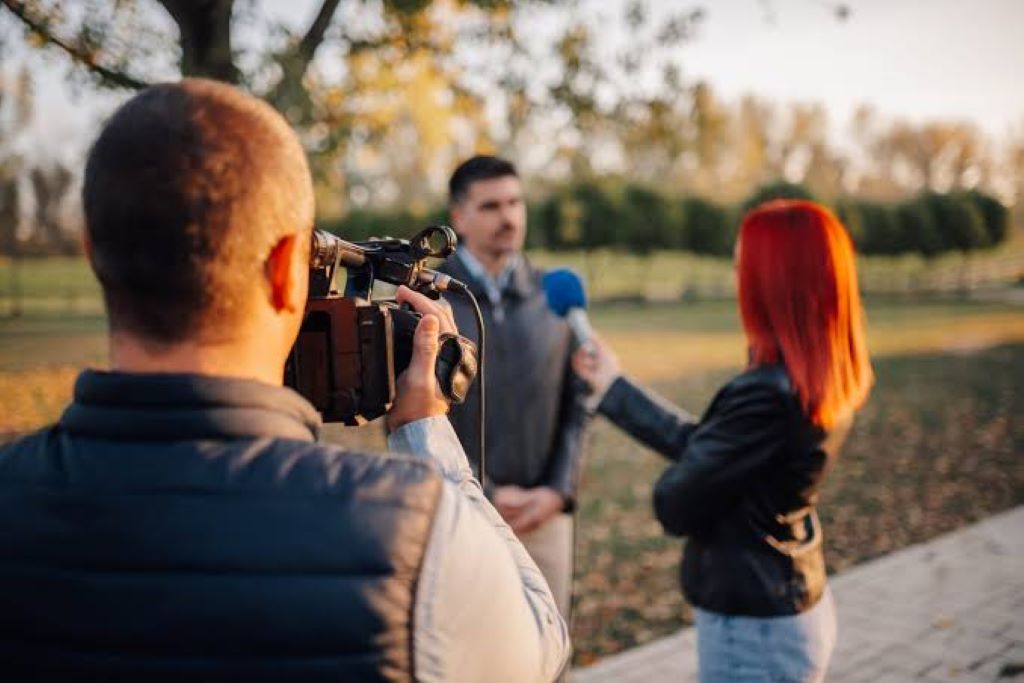
In a world where consumers are bombarded with thousands of marketing messages daily, earning press coverage can set your business apart and lend it an air of credibility that paid advertisements simply cannot. According to a 2025 Nielsen report, 92% of consumers trust earned media, such as news articles and editorial features, more than traditional advertising. However, securing press coverage is not as simple as sending out a press release and hoping for the best. It requires a strategic approach, a compelling story, and a deep understanding of what journalists and media outlets are looking for.
This PR marketing guide will provide you with actionable media outreach strategies, branding insights, and expert tips to help you get the press coverage your business deserves. Whether you’re a startup looking to make a splash or an established company aiming to boost your visibility, these steps will help you craft a narrative that captures the attention of the media and your target audience.
Why Press Coverage Matters for Your Business
Press coverage is a powerful tool for building credibility, increasing brand awareness, and driving customer trust. Unlike paid advertising, earned media carries the implicit endorsement of the publication or journalist, which can significantly enhance your business’s reputation. Additionally, press coverage can improve your search engine rankings, as backlinks from reputable media sites boost your SEO. According to a study by Edelman, 63% of consumers need to hear a company’s claims three to five times before they believe it. Press coverage provides third-party validation that can accelerate this process. Furthermore, media features can reach audiences that may not be accessible through your usual marketing channels. These PR marketing strategies will help you leverage press coverage to grow your business and strengthen your branding efforts.
Step 1: Define Your Unique Story
The foundation of successful media outreach is a compelling story that sets your business apart. Journalists receive countless pitches daily, so yours needs to stand out. Start by identifying what makes your business unique. Is it your innovative product, your inspiring founder story, or your impact on the community? Additionally, consider how your business fits into larger trends or solves a pressing problem. For example, if your company is pioneering sustainable practices, tie your story to the growing consumer demand for eco-friendly products. These branding insights will help you craft a narrative that resonates with both journalists and their audiences. Remember, a good story is not just about what you do but why it matters.
Step 2: Identify the Right Media Outlets and Journalists
Not all press coverage is created equal. To maximize the impact of your PR marketing efforts, target media outlets and journalists who cover your industry or have an interest in your specific niche. Start by researching publications, blogs, podcasts, and TV shows that align with your business’s focus. Additionally, use tools like Muck Rack, Cision, or even a simple Google search to find journalists who have written about similar topics or companies. Follow them on social media to understand their interests and recent work. These media outreach strategies will help you tailor your pitch to the right people, increasing your chances of securing coverage. Building a targeted media list is a crucial step in this process.
Step 3: Craft a Compelling Press Release
A well-written press release is a cornerstone of effective media outreach. It should be concise, engaging, and packed with newsworthy information. Start with a strong headline that grabs attention and clearly communicates the value of your story. The first paragraph should summarize the who, what, when, where, and why in a compelling way. Additionally, include quotes from key stakeholders, such as your CEO or a satisfied customer, to add a human element to your story. Use clear, jargon-free language and provide all the necessary details, such as contact information and relevant links. These PR marketing tips will help you create a press release that journalists will actually want to read and cover.
Step 4: Build Relationships with Journalists
Media outreach is not just about sending a one-off pitch; it’s about building long-term relationships with journalists. Start by engaging with them on social media, sharing their articles, and offering thoughtful comments on their work. Additionally, reach out with personalized emails that demonstrate your familiarity with their beat and past stories. Avoid generic pitches and instead tailor your messages to show how your story aligns with their interests. These branding strategies will help you establish trust and credibility with journalists, making them more likely to consider your pitches in the future. Remember, journalists are more likely to cover your story if they see you as a reliable and valuable source.

Step 5: Leverage HARO (Help a Reporter Out)
Help a Reporter Out (HARO) is a powerful tool for securing press coverage. This platform connects journalists with sources for their stories. By signing up as a source, you’ll receive daily emails with queries from reporters looking for expert insights, case studies, or quotes. Respond promptly and thoughtfully to relevant queries, providing clear, concise, and valuable information. These media outreach strategies can help you get featured in major publications, blogs, and even TV shows. HARO is a free and effective way to boost your PR marketing efforts and gain valuable exposure for your business.
Step 6: Create a Press Kit
A press kit, or media kit, is a collection of resources that journalists can use to learn more about your business and create their stories. Include essentials like your company’s background, high-resolution images, logos, key team members’ bios, and past press coverage. Additionally, provide contact information for your PR representative or spokesperson. These branding resources will make it easier for journalists to cover your story and ensure that your business is represented accurately and professionally. A well-prepared press kit demonstrates your readiness for media attention and can set you apart from other businesses vying for coverage.
Step 7: Follow Up and Be Persistent
Securing press coverage often requires persistence. If you don’t hear back from a journalist after your initial pitch, follow up with a polite and concise email. Additionally, if a journalist expresses interest but doesn’t publish your story right away, stay in touch and provide updates or additional information as needed. These PR marketing tips will help you stay top of mind without being pushy or annoying. Remember, journalists are busy, and a gentle nudge can sometimes make the difference between a missed opportunity and a published feature.
Expert Tips for Getting Press Coverage
- Be Newsworthy: Ensure your story has a clear news hook, such as a product launch, a significant milestone, or a unique angle that ties into current events or trends.
- Keep It Concise: Journalists are busy and appreciate pitches that are clear, concise, and to the point. Avoid long-winded emails or press releases.
- Offer Exclusives: Provide journalists with exclusive access to information, interviews, or data. This can make your story more appealing and increase your chances of coverage.
- Be Available: Make yourself or a spokesperson available for interviews or follow-up questions. Journalists appreciate sources who are responsive and easy to work with.
- Leverage Local Media: Don’t overlook local newspapers, TV stations, and blogs. Local media outlets are often more accessible and can provide valuable coverage that builds credibility.
Real-Life Examples of Successful PR Marketing
Airbnb’s Local Experiences: Airbnb secured widespread press coverage by pitching stories about unique, local experiences hosted by residents in various cities. By tying these stories to the growing trend of experiential travel, they captured the attention of major media outlets and positioned themselves as a leader in the sharing economy.
Glossier’s Community-Driven Branding: Glossier built its brand and secured press coverage by leveraging its community of loyal customers. By sharing user-generated content and customer stories, they created a narrative that resonated with journalists and consumers alike.
Tesla’s Product Launches: Tesla consistently generates buzz and press coverage with its high-profile product launches. By creating a sense of anticipation and exclusivity, they ensure that media outlets are eager to cover their latest innovations.
Reviews of PR Marketing Tools
Muck Rack: Muck Rack is a comprehensive media database that helps you find and connect with journalists. Its searchable database, media monitoring, and pitch tracking features make it a valuable tool for media outreach.
Cision: Cision offers a suite of PR marketing tools, including a media database, press release distribution, and media monitoring. Its robust features and user-friendly interface make it a top choice for businesses looking to secure press coverage.
HARO (Help a Reporter Out): HARO is a free platform that connects journalists with sources for their stories. By responding to relevant queries, you can secure valuable press coverage and build relationships with media professionals.
FAQs About Getting Press Coverage for Your Business
What is PR marketing?
PR marketing, or public relations marketing, involves managing the spread of information between your business and the public to build and maintain a positive image. It includes strategies like media outreach, branding, and reputation management.
How do I get press coverage for my business?
Get press coverage by defining your unique story, identifying the right media outlets and journalists, crafting a compelling press release, and building relationships with the media. Additionally, leverage tools like HARO and create a press kit.
What are media outreach strategies?
Media outreach strategies include identifying the right journalists, crafting compelling pitches, building long-term relationships, and following up persistently. Additionally, leverage platforms like HARO to connect with reporters.
How do I write a press release?
Write a press release by starting with a strong headline and a compelling first paragraph that summarizes the who, what, when, where, and why. Include quotes, clear language, and all necessary details, such as contact information.
What is a press kit?
A press kit is a collection of resources, such as your company’s background, high-resolution images, logos, and key team members’ bios, that journalists can use to learn more about your business and create their stories.
How do I build relationships with journalists?
Build relationships with journalists by engaging with them on social media, offering thoughtful comments on their work, and reaching out with personalized, tailored pitches that align with their interests.
What are some PR marketing tips for startups?
PR marketing tips for startups include focusing on your unique story, leveraging local media, offering exclusives, and being available for interviews. Additionally, use tools like HARO to secure press coverage.
Conclusion
Getting press coverage for your business is a powerful way to build credibility, increase brand awareness, and reach new audiences. By defining your unique story, identifying the right media outlets, and crafting compelling pitches, you can capture the attention of journalists and secure valuable coverage. Additionally, leveraging tools like HARO, building relationships with the media, and creating a press kit will set you apart from the competition.
If you’re looking to expand your reach even further, you can also start faceless digital marketing to promote your expertise and brand through content, automation, and strategic campaigns without relying on a personal public presence. Remember, PR marketing is not just about getting your name in the news—it’s about creating a narrative that resonates with your audience and establishes your business as a trusted authority in your industry. With these media outreach strategies and branding insights, you’re well on your way to earning the press coverage your business deserves.
Call to Action
Ready to take your PR marketing to the next level and secure press coverage for your business? Start by defining your unique story and identifying the right media outlets and journalists for your pitch. Use the tips and strategies in this guide to craft compelling press releases, build relationships with the media, and leverage tools like HARO. Share your success stories and PR marketing tips in the comments below—let’s build a community of businesses that are making headlines and capturing attention. The world of media is waiting, and there’s no better time to start than now!