

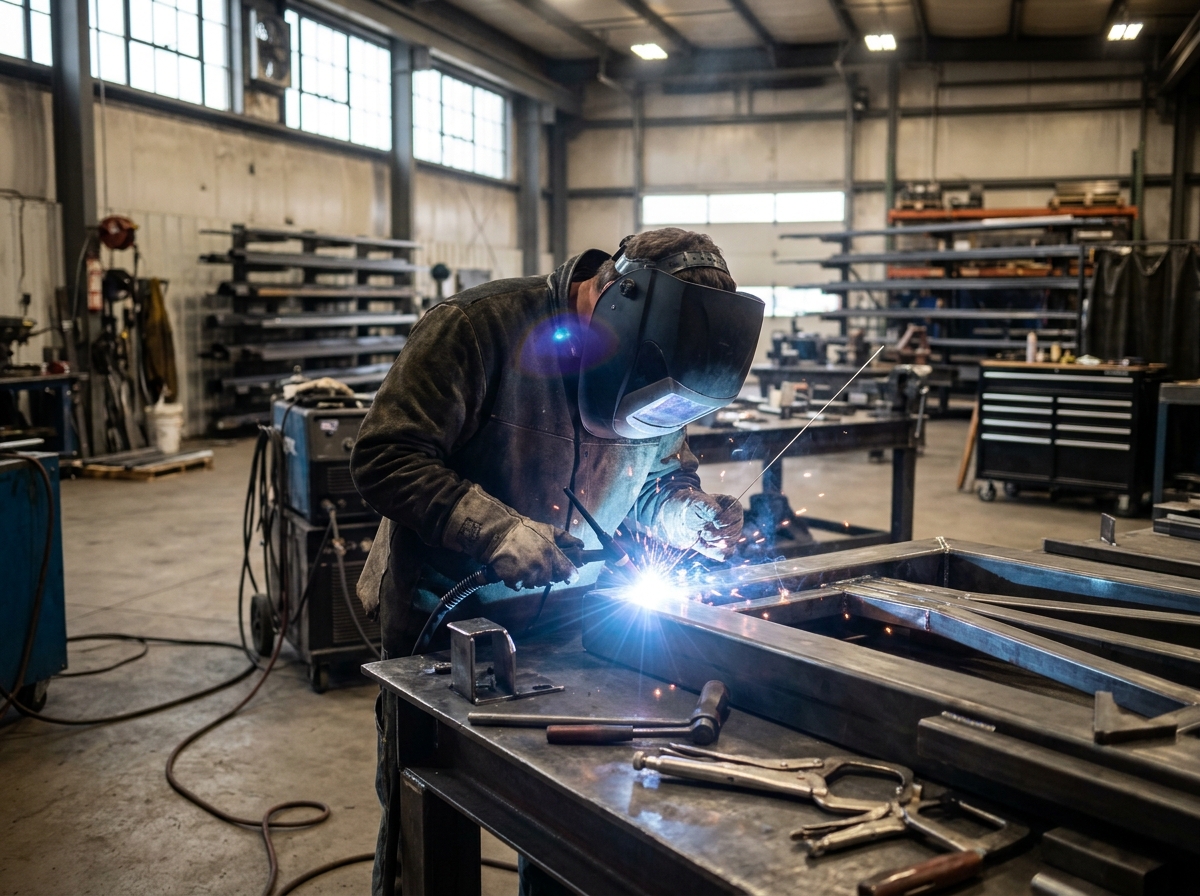
Starting a welding business means writing a solid plan, choosing a legal structure, getting licensed, buying the right equipment, and lining up insurance before you take a single paying job. Most new owners spend between a few thousand dollars and tens of thousands getting set up, depending on whether they run mobile or from a shop. As professional outfits like Architect Design Welding //architectdesignwelding.com/ emphasize, getting these foundations right first makes the rest of the business far easier to grow.
Decide What Kind Of Welding Business You Want To Run
Before you buy a single tool, figure out exactly what kind of welding work you want to chase. This decision shapes everything else, from your equipment list to your licensing needs.
Common welding business models include:
- Mobile welding: you travel to job sites with a truck, generator, and portable welder
- Shop-based fabrication: customers bring parts or projects directly to your workspace
- Structural welding: focused on construction sites, beams, and building frameworks
- Custom metalwork: furniture, gates, art pieces, and specialty fabrication
- Repair welding: fixing farm equipment, trailers, and industrial machinery
Picking a niche early helps you market smarter instead of trying to serve everyone at once.
Write A Business Plan Before You Spend Any Money
A business plan isn’t just paperwork for a bank loan. It forces you to think through pricing, competition, and realistic monthly expenses before you commit cash.
Your plan should outline the exact welding services //architectdesignwelding.com/welding-safety-tips/secure-welding-curtains-windy-oklahoma/ you’ll offer and who your target customers are, whether that’s construction companies, manufacturers, or individual clients. Include startup costs like equipment and licensing, along with expense budgets covering labor, materials, and rent. A clear financial projection also shows whether the business can realistically become profitable within your first year or two.
Choose The Right Legal Structure
Your business structure affects your taxes, your liability, and how easily you can raise funding later. Most welders start as either a sole proprietorship or a limited liability company, known as an LLC.
A sole proprietorship is the simplest option, since there’s almost no paperwork involved. However, it leaves your personal assets exposed if a client sues over faulty work.
An LLC, on the other hand, separates your personal savings and property from business liabilities. Many welders who start as sole proprietors later switch to an LLC once they realize how much risk a single lawsuit can create.
Register Your Business And Handle Taxes
Once you’ve picked a structure, register your business name with your state. Many licensing boards require this name to match exactly what appears on your hot work permits and contractor licenses later.
After registration, apply for a federal tax ID number, open a dedicated business bank account, and set up basic accounting. Keeping personal and business finances separate from day one makes tax season far less painful.
Get The Necessary Licenses And Permits
Licensing requirements vary significantly depending on your city, county, and state, so check local rules before you start taking jobs. Most welding businesses need a general business license just to legally operate within city or county limits.
Hot Work Permits And Contractor Licenses
If you plan to weld outside a permanent shop, many jurisdictions require a hot work permit, which often costs around a hundred dollars annually. Structural welders working on construction sites may also need a specific contractor license, which can take several weeks to process. Expect licensing and permit costs to range anywhere from a few hundred to a few thousand dollars total.
Certification Matters For Credibility
While certification isn’t always legally required, holding a recognized welding certification builds trust with commercial and industrial clients. Testing and certification fees typically run between one thousand and fifteen hundred dollars, but the credibility it adds often pays for itself quickly.
Secure Proper Insurance Coverage
Skipping insurance is one of the fastest ways to lose a welding business to a single bad incident. General liability insurance protects you if a client gets injured or property gets damaged during a job.
Expect liability coverage to cost somewhere between fifteen hundred and thirty-five hundred dollars per year, depending on your coverage limits and location. If you drive to job sites, you’ll also need commercial auto insurance, which typically runs between fifteen hundred and four thousand dollars annually. Some industrial clients won’t let you start a project until you can prove a specific coverage amount, so confirm their requirements before bidding.
Buy The Right Equipment Without Overspending
Equipment costs can balloon quickly if you buy more than your niche actually requires. Start lean, then upgrade as jobs demand it.
Core equipment most welding businesses need includes:
- A reliable welding machine suited to your primary process, whether MIG, TIG, or stick
- A welding table and clamps, generally costing between four hundred and one thousand dollars
- Protective gear: helmets, gloves, jackets, and proper ventilation equipment
- A work vehicle or trailer if you’re running a mobile operation
- A generator for job sites without reliable power access
An underpowered welder limits the types of jobs you can take on, so it’s worth investing in a capable unit from the start rather than upgrading twice.
Fund Your Business The Smart Way
Few new welding businesses launch entirely on cash savings alone. Small business loans between twenty-five thousand and one hundred fifty thousand dollars are common for equipment-heavy startups, often carrying interest rates a few points above prime.
Beyond loans, consider business credit lines for ongoing cash flow gaps, especially during slower construction seasons when invoices take longer to clear. A dedicated business credit card also helps separate expenses and build your company’s credit history over time.
Price Your Services Correctly
Pricing is one of the trickiest parts of running a welding business, since undercharging quietly kills profitability over time. Calculate your hourly rate based on labor, consumables, equipment wear, and travel time if you’re mobile.
Many welders charge a flat project rate for straightforward jobs while billing hourly for unpredictable repair work. Whatever model you choose, build in a buffer for material price swings, since steel and consumable costs fluctuate throughout the year.
Market Your Welding Business Effectively
Word of mouth alone rarely builds a steady pipeline of projects fast enough. Instead, combine several marketing channels to keep your schedule consistently booked.
Effective marketing tactics include:
- Listing your business on Google Maps so local searches for welding services find you
- Building a simple website showing past projects and clear contact information
- Networking directly with construction companies, farms, and manufacturers in your area
- Asking satisfied clients for reviews, since social proof heavily influences new customers
- Partnering with suppliers or contractors who regularly need welding subcontractors
Consistent marketing matters more in slow seasons, when competition for fewer available jobs tightens.
Plan For Cash Flow Challenges
Even profitable welding businesses can struggle with cash flow, especially during slow construction seasons or when clients delay payments. Consumables and material costs often hit your wallet before a client’s invoice gets paid.
Build a cash reserve covering at least a few months of operating expenses before scaling up. This buffer protects you from having to turn down jobs simply because you can’t front the material costs.
Final Thoughts
Starting a welding business rewards people who combine real technical skill with disciplined business planning. Get your legal structure, licensing, and insurance sorted early, then invest in equipment that actually matches your chosen niche. From there, consistent marketing and smart pricing will carry your business toward steady, sustainable growth. If you’re ready to move forward, start by drafting your business plan today and taking the first concrete step toward launching your shop.
Frequently Asked Questions
How much does it cost to start a welding business?
Startup costs typically range from a few thousand dollars for a small mobile setup to well over fifty thousand for a fully equipped shop.
Do I need a license to start a welding business?
Yes, most locations require a general business license, and some jobs also need a hot work permit or contractor license.
Is an LLC better than a sole proprietorship for a welding business?
An LLC generally offers better protection since it separates your personal assets from business liabilities.
How profitable is a welding business?
Profitability varies widely based on niche and location, but established welding businesses commonly see healthy margins once overhead is under control.
Can I start a welding business from home?
Yes, many welders start as mobile operations working from a truck or trailer before investing in a dedicated shop space.