

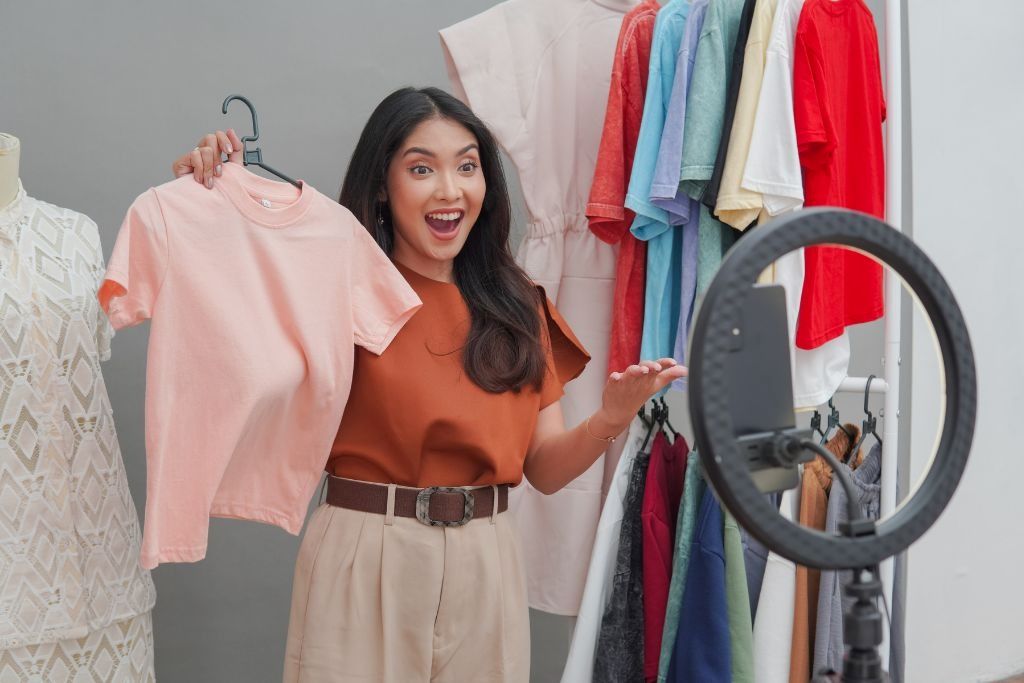
In today’s digital marketplace, micro-influencer affiliate marketing is more than a buzzword—it’s a powerful strategy for e-commerce growth. As large-scale influencer campaigns become costly and saturated, brands are turning to micro-influencers for deeper engagement and higher ROI. These content creators, typically with 1,000 to 100,000 followers, offer a cost-effective, targeted approach that’s redefining modern affiliate marketing.
Why Micro-Influencers Are Changing the Game
Micro-influencers have significantly higher engagement rates compared to mega-influencers. According to a HubSpot report, micro-influencers deliver 60% more engagement and are 6.7 times more cost-efficient per engagement. Their followers trust them because they often maintain a niche focus and authentic relationships with their audience. This makes them ideal for affiliate partnerships in e-commerce.
Additionally, their content tends to feel organic and personalized. Unlike traditional ads, micro-influencer promotions feel more like genuine recommendations from a friend. Consumers today value transparency. A Neilsen study found that 92% of consumers trust recommendations from individuals over brands.
Choosing the Right Micro-Influencers
Not all influencers are created equal. Selecting the right partner is crucial. Focus on creators whose audience aligns with your brand’s niche. Use tools like Upfluence, AspireIQ, or Heepsy to filter influencers by engagement rate, location, and category.
Instead of obsessing over follower count, look at:
-
Engagement rate – A minimum of 3–5% is ideal.
-
Authenticity – Do they use genuine language? Avoid overly promotional profiles.
-
Audience quality – Who follows them? Analyze demographics and interests.
Brands should avoid influencers with inflated numbers due to fake followers. Leverage platforms that audit follower authenticity to prevent wasted investment.
Crafting a Compelling Affiliate Offer
Your affiliate program must be attractive enough to motivate influencers. E-commerce brands should provide:
-
Competitive commission rates – 10–30% is typical for product-based affiliates.
-
Unique discount codes – Personalized codes make promotions feel exclusive and help track conversions.
-
Free products or early access – Influencers love showcasing new arrivals.
Make onboarding simple. Give them a toolkit with creatives, brand guidelines, and CTA suggestions. Streamlined processes help influencers focus on content creation rather than admin tasks.

Building Long-Term Relationships
Successful affiliate marketing isn’t about one-off posts. The real magic happens with consistent, long-term collaborations. Create value for influencers by acknowledging their input, resharing their content, and involving them in product feedback.
Sephora’s #SephoraSquad is a great example. This program builds lasting partnerships with micro-influencers who co-create content and drive recurring affiliate sales.
Loyalty breeds better content, which builds more trust and ultimately drives more conversions.
Track Performance and Optimize
Tracking affiliate performance allows brands to double down on what’s working. Use tools like Refersion, Impact, or ShareASale to monitor clicks, conversions, and revenue. Analyze:
-
Conversion rate per influencer
-
Average order value (AOV) from affiliate traffic
-
Customer lifetime value (CLV)
Based on results, optimize your program by rewarding top performers with bonuses or exclusive perks. Scale efforts with proven influencers and cut underperformers.
Leverage UGC for Social Proof
Micro-influencer content doubles as authentic user-generated content (UGC). Reuse their photos, videos, and reviews across your website, emails, and social media. According to Stackla, 79% of consumers say UGC highly impacts their purchasing decisions.
For example, Glossier credits much of its viral growth to reposting influencer and customer content. Their strategy makes buyers feel seen while promoting real-life product use. Also read:
https://presspermit.com/influencer-affiliate-marketing/ftc-disclosure-guidelines-for-influencer-and-affiliate-marketing/
Expert Tips for Success
-
Build a tiered affiliate program. Reward performance with higher commissions or bonuses to motivate top performers.
-
Offer training webinars or Q&A sessions. Educate influencers about your brand story and product USPs.
-
Create limited-time challenges. Encourage influencers to compete in referral drives with prizes.
-
Use storytelling frameworks. Prompt influencers to share how your product solves their problem rather than generic promotions.
-
Stay FTC compliant. Educate influencers on clear disclosure to avoid penalties.
Real-World Success Stories
Gymshark, an athleisure brand, used micro-influencer affiliate campaigns to become a billion-dollar company. Instead of targeting A-listers, they worked with fitness micro-influencers, creating an army of brand ambassadors. These affiliates drove viral reach and grassroots-level sales.
Daniel Wellington is another brand that has mastered micro-influencer affiliate marketing. Their simple formula of gifting products, offering discount codes, and leveraging UGC built a $200 million business.
Read More: Influencer Marketing for B2B Companies: A Game-Changing Strategy
Featured Snippet:
What’s the Best Way for E-commerce Brands to Use Micro-Influencers for Affiliate Marketing?
The best strategy involves selecting niche-relevant micro-influencers with high engagement, offering personalized affiliate deals (e.g., discount codes), and maintaining long-term partnerships. Brands should track KPIs like click-through rates, AOV, and conversions to refine campaigns. Tools like Impact or Refersion help manage these programs efficiently. By prioritizing authenticity and consistency, e-commerce brands can turn micro-influencers into powerful sales channels while cultivating community-driven loyalty.
Frequently Asked Questions
1. What defines a micro-influencer?
A micro-influencer typically has between 1,000 to 100,000 followers and serves a specific niche.
2. How much should I pay micro-influencers for affiliate marketing?
Payment can be commission-only or include a flat fee. Typical commission ranges from 10%–30% per sale.
3. Are micro-influencers more effective than celebrities?
Yes. Micro-influencers offer higher engagement and cost-effectiveness, especially in niche markets.
4. What platforms are best for micro-influencer campaigns?
Instagram, TikTok, and YouTube are top-performing platforms due to high engagement and visual appeal.
5. How do I prevent influencer fraud?
Use auditing tools like HypeAuditor to verify audience authenticity and engagement quality.
6. Can micro-influencer affiliate marketing work for new e-commerce stores?
Absolutely. It’s one of the most cost-efficient methods to gain traction, especially during launch phases.
7. Should I give influencers creative freedom?
Yes. Influencers know their audience best. Give guidelines, but allow flexibility for authentic storytelling.
Final Thought
Micro-influencer affiliate marketing is no longer an experiment—it’s a necessity for smart e-commerce brands. This strategy blends the trust of peer recommendations with the scalability of affiliate programs. By investing in the right partnerships, offering real value, and tracking performance with precision, brands can unlock growth that’s both organic and exponential.
As digital noise increases, consumers crave authenticity. Micro-influencers offer that authenticity. Tap into their influence now, and position your e-commerce brand for long-term success.