

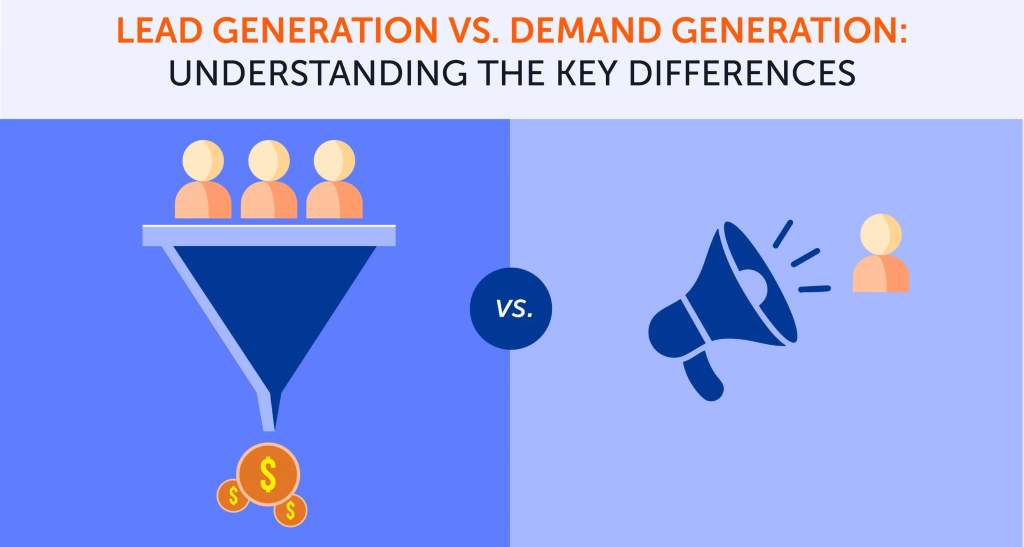
Imagine your business as a bustling marketplace. Shoppers wander in, browse, and some buy right away. Others need time to warm up. This scene captures the essence of marketing strategies. Demand generation builds interest and awareness, while lead generation captures ready buyers. Many confuse the two, yet they play distinct roles in driving growth.
Businesses often mix them up, leading to wasted efforts. This article breaks down the differences, similarities, and best ways to use each. You gain practical tips to boost your marketing. Read on to clarify these concepts and improve your approach.
What is Demand Generation?
Demand generation creates broad interest in your products or services. It focuses on the top of the funnel. Marketers build awareness and educate potential customers.
This strategy nurtures long-term relationships. It turns cold audiences into warm prospects over time. According to industry experts, demand generation emphasizes value through content and engagement.
Key Components of Demand Generation
Demand generation includes several elements. Content marketing stands out as a core part. Blogs, videos, and ebooks provide useful information.
Social media amplifies reach. Events and webinars foster connections. Email campaigns keep the conversation going.
Strategies for Effective Demand Generation
Start with audience research. Know pain points and preferences. Create targeted content that solves problems.
Use SEO to attract organic traffic. Share stories that connect emotionally. Track engagement metrics to refine efforts.
For example, host webinars on industry trends. Offer free resources like guides. Build trust step by step.
What is Lead Generation?
Lead generation captures contact information from interested prospects. It targets the middle of the funnel. Sales teams follow up on these leads.
This tactic aims for quick conversions. It uses forms, offers, and calls to action. Based on widely accepted industry standards, lead generation prioritizes qualified prospects ready to buy.
Key Components of Lead Generation
Forms and landing pages collect data. Gated content requires email sign-ups. Ads drive traffic to these assets.
CRM systems manage leads. Scoring models rank them by readiness. Follow-up emails nurture further.
Tactics for Successful Lead Generation
Optimize landing pages for conversions. Use clear calls to action. Offer incentives like discounts or trials.
Run paid ads on search engines. Partner with influencers for endorsements. Personalize messages to increase response rates.
Test different offers. Analyze what works. Adjust based on data.
Key Differences Between Demand Generation and Lead Generation
Demand generation and lead generation differ in goals, timing, and methods. Understand these to choose the right approach.
Goals and Objectives
Demand generation builds brand awareness. It educates and engages. Lead generation seeks direct responses and sales opportunities.
One fosters interest; the other captures it.
Timing in the Buyer’s Journey
Demand generation operates at the awareness stage. Prospects learn about problems and solutions.
Lead generation kicks in at the consideration stage. Buyers evaluate options and show intent.
Metrics for Success
Demand generation measures engagement like views and shares. Lead generation tracks conversions such as form submissions.
Focus on quality over quantity in both, but metrics vary.
Tools and Channels Used
Demand generation relies on content platforms and social networks. Lead generation uses email tools and ad platforms.
Integration matters for seamless transitions.
- Demand Gen Channels: Blogs, social media, SEO.
- Lead Gen Channels: Landing pages, PPC ads, webinars with sign-ups.

Similarities Between Demand Generation and Lead Generation
Both strategies aim to grow revenue. They use content to attract audiences. Data drives decisions in each.
They complement each other in full-funnel marketing. Both require understanding customer needs.
When to Use Demand Generation
Use demand generation for new markets. Introduce your brand to unaware audiences. Build authority in competitive fields.
It’s ideal for complex products needing education. Long sales cycles benefit from nurturing.
According to professionals, start here if your pipeline lacks top-funnel traffic.
Case Studies in Demand Generation
Tech companies share whitepapers on trends. This positions them as leaders. Results show increased website traffic and inquiries.
B2B firms use podcasts to discuss challenges. Listeners become loyal followers.
When to Use Lead Generation
Deploy lead generation for immediate sales boosts. Target warm prospects showing interest.
It’s effective for promotions or launches. Use it to fill sales pipelines quickly.
As recommended by experts, combine with scoring to prioritize hot leads.
Case Studies in Lead Generation
E-commerce sites offer coupons for emails. This drives quick purchases.
Service providers use free consultations. Prospects convert at higher rates.
How Demand Generation and Lead Generation Work Together
Integrate them for a cohesive strategy. Demand generation feeds leads into generation efforts.
Content from demand gen nurtures leads. Track the journey from awareness to conversion.
Build a funnel where each stage supports the next. Use automation tools to connect them.
Building an Integrated Marketing Funnel
Map customer touchpoints. Align content with stages.
- Awareness: Blog posts and social shares.
- Interest: Ebooks and newsletters.
- Decision: Demos and trials.
Measure handoffs between stages. Optimize for smooth flow.
Best Practices for Demand Generation
Focus on quality content. Solve real problems. Use storytelling to engage.
Personalize experiences. Segment audiences for relevance.
Collaborate across teams. Sales provides insights for marketing.
Monitor trends. Adapt to changes in buyer behavior.
According to industry standards, consistency builds trust over time.
Actionable Tips
- Research keywords for content.
- Create a content calendar.
- Promote across multiple channels.
- Analyze performance quarterly.
- Gather feedback from audiences.
Best Practices for Lead Generation
Design user-friendly forms. Keep them short. Use compelling headlines.
A/B test elements. Find what converts best.
Nurture leads with sequences. Provide value before selling.
Comply with privacy laws. Build trust through transparency.
Professionals recommend focusing on mobile optimization.
Actionable Tips
- Use pop-ups wisely.
- Offer multiple opt-in points.
- Score leads automatically.
- Follow up within 24 hours.
- Track conversion rates monthly.
Measuring Success in Demand Generation
Track website traffic sources. Monitor engagement time.
Use attribution models. See which content drives revenue.
Set KPIs like brand mentions. Adjust based on data.
Industry experts suggest using tools for analytics.
Measuring Success in Lead Generation
Calculate cost per lead. Monitor conversion rates.
Assess lead quality through sales feedback.
Use ROI calculations. Ensure positive returns.
Based on guidelines, benchmark against industry averages.
Common Mistakes in Demand Generation
Avoid generic content. Tailor to audiences.
Don’t ignore SEO. It drives organic growth.
Overlook nurturing. One-touch efforts fail.
Experts warn against short-term thinking.
Common Mistakes in Lead Generation
Steer clear of spammy tactics. They harm reputation.
Neglect follow-ups. Leads go cold quickly.
Forget testing. Assumptions lead to poor results.
Professionals advise against over-reliance on paid ads.
The Future of Demand Generation and Lead Generation
AI personalizes experiences. Predictive analytics refines targeting.
Privacy changes shift tactics. Focus on first-party data.
Integration grows important. Unified platforms streamline efforts.
According to experts, adaptability keys success.
Conclusion
Demand generation and lead generation serve vital roles. Use demand gen to build interest and lead gen to capture it. Integrate them for maximum impact.
Apply these insights to your strategy. Watch your business grow. Ready to refine your marketing? Start auditing your current efforts today.
FAQs
What is the main difference between demand generation and lead generation?
Demand generation creates broad interest and awareness. Lead generation captures specific contact information from interested prospects.
Can a business use only one of these strategies?
Businesses can, but integration yields better results. Demand generation feeds the pipeline for lead generation.
How do I measure ROI for demand generation?
Track engagement metrics and attribution to revenue. Use tools to connect activities to sales outcomes.
What tools help with lead generation?
CRM systems, email platforms, and ad managers assist. Choose based on your needs.
Is content marketing part of both?
Yes, content attracts in demand gen and converts in lead gen. Adapt formats accordingly.
How long does demand generation take to show results?
It varies, but expect 3-6 months for noticeable impact. Consistency matters.
What industries benefit most from demand generation?
Tech, B2B services, and complex products thrive with it. Education builds buyer confidence.
Can small businesses afford lead generation?
Yes, start with free tactics like content offers. Scale with paid ads as you grow.
How does SEO fit into these strategies?
SEO boosts demand gen visibility. It drives traffic to lead gen assets.
What role does social media play?
It amplifies demand gen content. Use it for targeted lead gen ads.
References: