

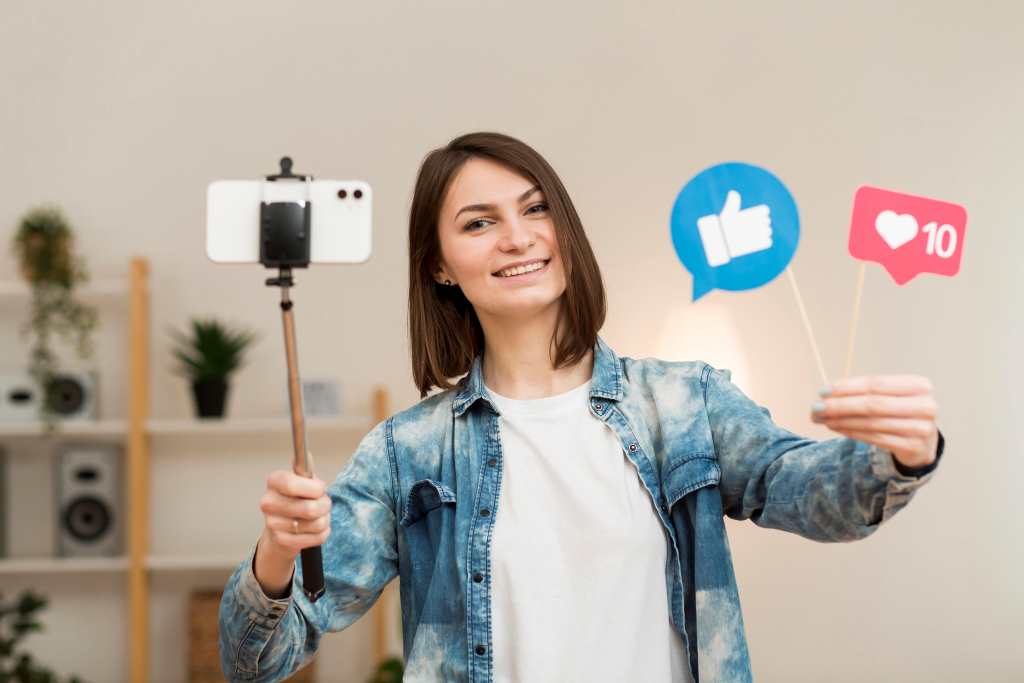
Imagine a world where your favorite social media star raves about a product you love. That’s the magic of influencer marketing! This strategy uses trusted voices to promote brands, connecting with audiences authentically. Influencer marketing comes in various forms, each with unique benefits. Whether it’s a celebrity endorsing a product or a micro-influencer sharing a niche passion, these approaches drive engagement. According to a 2023 study by HubSpot, 69% of consumers trust influencer recommendations over traditional ads. In this post, we’ll explore the types of influencer marketing, sharing stories and insights to help you choose the right strategy. Let’s dive into this vibrant world and see how it can elevate your brand!
What Is Influencer Marketing?
Influencer marketing involves partnering with individuals who have a loyal following to promote products or services. These influencers, from celebrities to everyday enthusiasts, hold sway over their audience’s decisions. My first encounter with influencer marketing was watching a fitness guru on Instagram share a protein shake recipe. Their genuine excitement convinced me to try it! This strategy works because it feels personal, not like a sales pitch. According to a 2024 report by Influencer Marketing Hub, businesses earn $5.78 for every dollar spent on influencer marketing. It’s about trust and connection, making it a powerful tool for brands.
However, not all influencer marketing is the same. Different types cater to various goals, budgets, and audiences. Understanding these types helps brands craft campaigns that resonate. Let’s explore the main types of influencer marketing to see which fits your needs.

Celebrity Influencer Marketing
Celebrity influencer marketing involves partnering with famous personalities, like actors or musicians, to promote products. Their massive followings offer huge reach. For example, when a pop star endorses a skincare brand, millions see it. I once saw a celebrity post about a new sneaker line, and the buzz was instant—stores sold out in hours! A 2023 Statista study found that 34% of brands use celebrity influencers for global campaigns. Their fame drives visibility, but it comes with high costs.
However, authenticity can be a challenge. Fans may question if the celebrity genuinely uses the product. Brands must ensure alignment between the celebrity’s image and their values. This type works best for big-budget campaigns aiming for broad exposure. If you’re a startup, you might consider other options, which we’ll explore next.
Micro-Influencer Marketing
Micro-influencers, with 10,000 to 100,000 followers, specialize in niche topics like vegan cooking or vintage fashion. Their smaller audiences are highly engaged, offering authentic connections. I followed a micro-influencer who shared budget travel tips, and her hotel recommendation led to my best vacation yet! A 2024 report by AspireIQ shows micro-influencers generate 60% higher engagement rates than mega-influencers. Their followers trust them like friends, making their endorsements powerful.
Additionally, micro-influencers are cost-effective. Brands can collaborate with several to diversify reach without breaking the bank. However, managing multiple partnerships requires time. This type suits businesses targeting specific communities or testing new markets. Next, let’s look at nano-influencers, who take niche marketing even further.
Nano-Influencer Marketing
Nano-influencers have fewer than 10,000 followers but boast incredible trust within their communities. Think of a local yoga teacher sharing eco-friendly mats. Their recommendations feel personal, like advice from a neighbor. I once bought a cookbook after a nano-influencer’s heartfelt review, and it’s now my kitchen staple! According to a 2023 study by HypeAuditor, nano-influencers have engagement rates up to 7%, higher than larger influencers. Their authenticity drives conversions.
Moreover, nano-influencers are affordable, making them ideal for small businesses. However, their limited reach means brands may need multiple partnerships for impact. This type excels for hyper-local or niche campaigns. Let’s move on to affiliate influencer marketing, which blends promotion with performance.
Affiliate Influencer Marketing
Affiliate influencer marketing combines influencer promotion with performance-based rewards. Influencers share unique links or codes, earning commissions for sales they drive. For instance, a beauty influencer might share a discount code for a makeup brand. I used one such code from a YouTuber and saved 20% on my favorite mascara! A 2024 report by Rakuten Advertising found that 80% of brands use affiliate programs to boost influencer campaigns. This model ensures measurable results.
Furthermore, affiliate marketing aligns incentives—both the brand and influencer benefit from sales. However, tracking links and managing payouts can be complex. This type works well for e-commerce brands focused on direct sales. Next, we’ll explore brand ambassador programs, which foster long-term partnerships.
Brand Ambassador Influencer Marketing
Brand ambassadors are influencers who form long-term partnerships with brands, consistently promoting their products. Unlike one-off campaigns, ambassadors embody the brand’s values. I once followed a fitness ambassador who shared a sportswear brand’s journey, making me a loyal customer. According to a 2023 Nielsen study, 71% of consumers trust brands more when endorsed by consistent ambassadors. This builds credibility over time.
Additionally, ambassadors create authentic, ongoing content, strengthening brand loyalty. However, finding the right fit takes effort, and long-term contracts can be costly. This type suits established brands seeking sustained engagement. Let’s now look at content collaboration, a creative twist on influencer marketing.
Content Collaboration Influencer Marketing
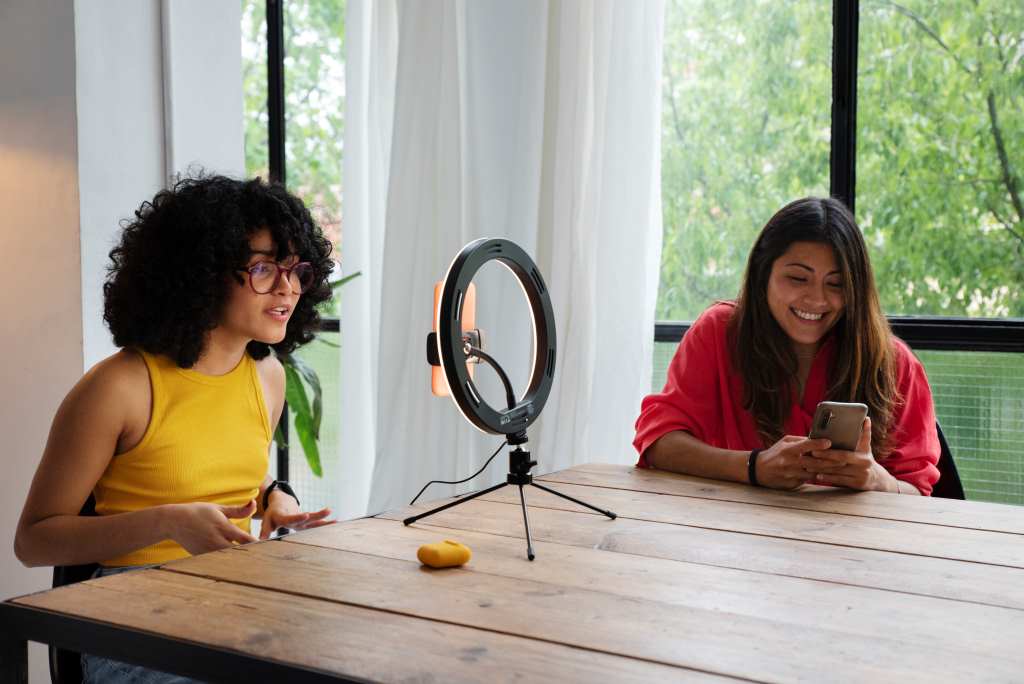
Content collaboration involves influencers and brands co-creating content, like blog posts, videos, or social media campaigns. This approach blends the influencer’s voice with the brand’s message. I once watched a travel vlogger collaborate with a luggage brand to create a packing guide—it was both fun and informative! A 2024 Influencer Marketing Hub study notes that 62% of brands use collaborations for unique content. It’s a win-win: influencers gain creative freedom, and brands get authentic material.
Moreover, collaborations boost engagement by offering fresh perspectives. However, coordinating creative visions can be tricky. This type is perfect for brands wanting standout content that resonates. Finally, let’s discuss sponsored content, a classic influencer marketing approach.
Sponsored Content Influencer Marketing
Sponsored content involves influencers creating posts, videos, or stories to promote a brand in exchange for payment. It’s straightforward and versatile, from Instagram posts to YouTube reviews. I discovered a coffee brand through a sponsored post, and now it’s my morning go-to! According to HubSpot’s 2023 report, 65% of marketers use sponsored content for its flexibility. It allows brands to reach targeted audiences quickly.
However, transparency is key—disclosing sponsorships builds trust. Overly salesy content can turn followers off. This type suits brands of all sizes looking for quick, impactful campaigns. With so many options, influencer marketing offers something for every goal.
Conclusion
Influencer marketing is a dynamic way to connect with audiences, offering types like celebrity endorsements, micro-influencers, and sponsored content. Each type has unique strengths, from broad reach to niche trust. My journey with influencer marketing, from discovering products to trusting recommendations, shows its power to inspire action. Whether you’re a small business or a global brand, there’s a strategy for you. Explore these types to find what aligns with your goals. Share your thoughts or experiences in the comments below, or spread this guide to help others discover influencer marketing’s potential!
FAQs
What is influencer marketing?
Influencer marketing partners brands with trusted individuals to promote products authentically.
Why use micro-influencers?
Micro-influencers offer high engagement and cost-effective partnerships for niche audiences.
How does affiliate influencer marketing work?
Influencers share unique links or codes, earning commissions for driving sales.
What’s the difference between brand ambassadors and sponsored content?
Ambassadors form long-term partnerships, while sponsored content is typically one-off.
Is celebrity influencer marketing worth the cost?
It’s effective for broad reach but may lack authenticity compared to smaller influencers.