

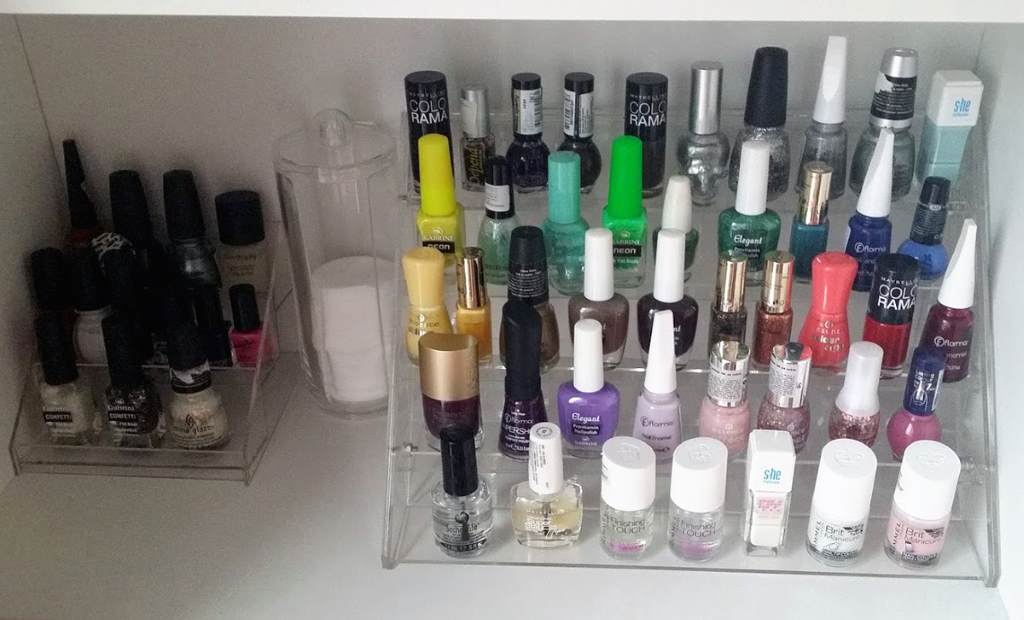
Nail polish is a beauty staple loved by millions. Its vibrant colors and endless designs spark joy. But who brought this iconic product to the masses? The story of modern nail polish begins in the early 20th century. A visionary chemist named Northam Warren and his company, Cutex, changed the beauty world. His hidden strategies turned a niche product into a global sensation. This article uncovers Warren’s journey, his clever marketing moves, and the rich history of nail polish. From ancient civilizations to Hollywood glamour, we’ll explore how nail polish became a cultural icon.
The Origins of Nail Polish: A Colorful Past
Nail polish has a fascinating history. It dates back to ancient civilizations. Around 3000 BCE, Ancient China used nail color to show status. Chinese royalty wore red nail polish made from egg whites, beeswax, and vegetable dyes. Lower classes stuck to pale shades. Breaking this rule could mean death. In ancient Egypt, mummified pharaohs had henna-tinted nails. Babylonian warriors used kohl for black or green nails to signify rank. These early nail polishes were symbols of power.
Fast forward to the Middle East. Henna nail dyes were popular in India around 5000 BCE. The Zhou dynasty in China favored metallic silver and gold. By the Ming dynasty, red and black became royal favorites. Nail polish wasn’t just for beauty. It marked social class and cultural shifts. These ancient practices set the stage for modern nail care.
The Birth of Modern Nail Polish
Modern nail polish emerged in the early 20th century. The automobile industry played a surprising role. High-gloss car paint, made with nitrocellulose, inspired beauty innovators. Nitrocellulose created a shiny, durable finish. This caught the eye of beauty pioneers. Enter Northam Warren, a chemist with a vision.
In 1911, Warren founded Cutex in New York. His first product was a cuticle remover. It softened cuticles without cutting. This was a game-changer for nail care. By 1914, Cutex introduced nail tints. In 1917, they launched clear liquid nail polish. This was the first modern nail polish. It was a glossy lacquer, inspired by car paint. Warren’s innovation made nail polish accessible to everyday women.
Northam Warren: The Man Behind Cutex
Northam Warren was a chemist turned entrepreneur. Born in 1878, he worked for Parke, Davis & Company. In 1910, he started his own business. His goal was to simplify nail care. His cuticle remover was a hit. It paved the way for Cutex’s growth. By 1915, he founded the Northam Warren Corporation. His focus was on practical, affordable beauty products.
Warren’s genius wasn’t just in chemistry. He understood consumer needs. Women wanted easy, at-home nail care. His products were simple to use. They were also affordable. This made Cutex a household name. Warren’s vision transformed nail polish from a luxury to a daily essential.
Hidden Strategies That Made Cutex a Success

Warren’s marketing strategies were ahead of his time. He didn’t just sell nail polish. He sold a lifestyle. Here are his key tactics:
1. Leveraging the Automobile Industry
Warren saw the link between car paint and nail polish. Nitrocellulose gave cars a glossy finish. He adapted it for nails. This created a durable, shiny polish. Women loved the glamorous look. Warren’s innovation tied nail polish to modernity. Cars were a symbol of progress. Nail polish became a symbol of style.
2. Affordable Pricing for the Masses
In the 1920s, nail polish was still a luxury. Warren changed that. A bottle of Cutex polish cost 35 cents in 1934. This was affordable even during the Great Depression. He made nail polish a must-have for all women. His low prices drove mass adoption.
3. Simplifying Nail Care
Warren’s products were user-friendly. His cuticle remover didn’t require cutting. His nail polish was easy to apply. He also introduced nail polish remover in 1928. Acetone-based removers were safe for home use. This made manicures accessible. Women could do their nails at home. No salon was needed.
4. Targeting the Working Woman
The 1920s saw women entering the workforce. Warren marketed to these modern women. His ads showed nail polish as part of a polished look. It was practical for factory workers or office ladies. Short, neat nails with Cutex polish were stylish and durable. This resonated with the era’s cultural shifts.
5. Creating a Beauty Empire
Warren didn’t stop at nail polish. Cutex expanded into nail tints, powders, and creams. By the 1920s, Cutex was a full nail care brand. Warren’s vision was to cover all aspects of nail beauty. This built brand loyalty. Women trusted Cutex for their manicure needs.
The Rise of Revlon: A New Competitor
In 1932, Revlon entered the scene. Founded by Charles Revson, Joseph Revson, and Charles Lachman, Revlon took nail polish to new heights. A French makeup artist, Michelle Ménard, worked for Revson. She created a glossy nail enamel using nitrocellulose and pigments. Revlon’s polish was opaque and vibrant. It launched in salons and later hit department stores.
Revlon’s marketing was bold. They offered a wide range of colors. Their polishes were long-lasting. Revlon’s ads tied nail polish to glamour. Hollywood stars like Clara Bow and Marilyn Monroe wore their shades. This gave Revlon a glamorous edge. Cutex remained practical, but Revlon was aspirational.
How Nail Polish Evolved Over Time
Nail polish kept evolving. In the 1950s, Fred Slack, a dentist, invented acrylic nails. He used dental acrylics to fix a broken nail. This led to the acrylic nail craze. In the 1970s, Jeff Pink created the French manicure. It was a time-saving look for actresses. The 1980s brought gel nail varnish and nail wraps. These offered longer-lasting options.
Today, nail polish is a global industry. Brands like Essie and OPI dominate. Nail salons are everywhere. From chrome designs to French tips, nail art is endless. Social media fuels trends. Nail stamping kits and subscription boxes make DIY nails popular. Gel alternatives and dip systems offer new choices. The industry keeps growing.
Cultural Impact of Nail Polish
Nail polish is more than beauty. It’s a form of self-expression. In ancient times, it showed status. Today, it shows personality. Red nails scream confidence. French tips are classic. Chrome designs are bold. Nail polish reflects cultural diversity. It’s a canvas for creativity.
Hollywood stars shaped trends. Rita Hayworth made red nail polish iconic. Kate Middleton’s Essie “Allure” shade became a royal favorite. Social media platforms like Instagram showcase nail art. Nail technicians are now artists. The nail industry is worth billions.
Environmental Concerns and Modern Innovations
Modern nail polish faces challenges. Volatile organic solvents raise environmental concerns. Brands now offer eco-friendly options. Peel-off nail polishes and gel alternatives reduce waste. UV lamps and LED technology make gel nails safer. Brands like Adesse focus on vegan, cruelty-free formulas. The industry balances beauty with sustainability.
Key Pioneers in Nail Polish History
Several figures shaped the nail industry:
- Mary E. Cobb: Opened the first U.S. nail salon in 1878. She invented the emery board.
- Michelle Ménard: Created Revlon’s glossy nail enamel in 1932.
- Fred Slack: Invented acrylic nails in the 1957.
- Jeff Pink: Developed the French manicure in 1975.
- Northam Warren: Launched Cutex and modern nail polish in 1917.
Each pioneer added to the nail polish legacy. Their innovations built a vibrant industry.
Why Nail Polish Remains Popular
Nail polish is timeless. It’s affordable and versatile. It lets people express their style. From manicure kits to nail tools, options are endless. Nail colour trends evolve, but the love for polish stays. It’s a small way to feel polished and confident.
FAQs
Who invented the first modern nail polish?
Northam Warren’s Cutex launched the first modern nail polish in 1917. It used nitrocellulose for a glossy finish.
What inspired modern nail polish?
Automobile paint, specifically nitrocellulose, inspired the glossy, durable formula of modern nail polish.
How did Revlon impact the nail polish industry?
Revlon introduced vibrant, opaque nail enamel in 1932. Their bold marketing made nail polish a fashion staple.
What role did Mary E. Cobb play in nail care?
Mary E. Cobb opened the first U.S. nail salon in 1878. She also invented the emery board.
Why is nail polish culturally significant?
Nail polish reflects status, personality, and creativity. It’s a global symbol of self-expression across cultures.
Conclusion
Nail polish has a rich history. From Ancient China to modern salons, it’s evolved dramatically. Northam Warren’s Cutex made it a household name. His strategies—affordable pricing, simple products, and targeting working women—changed beauty forever. Revlon and others built on his legacy. Today, nail polish is a vibrant part of pop culture. Want to try a new nail look? Share your favorite nail colour or design in the comments below!