

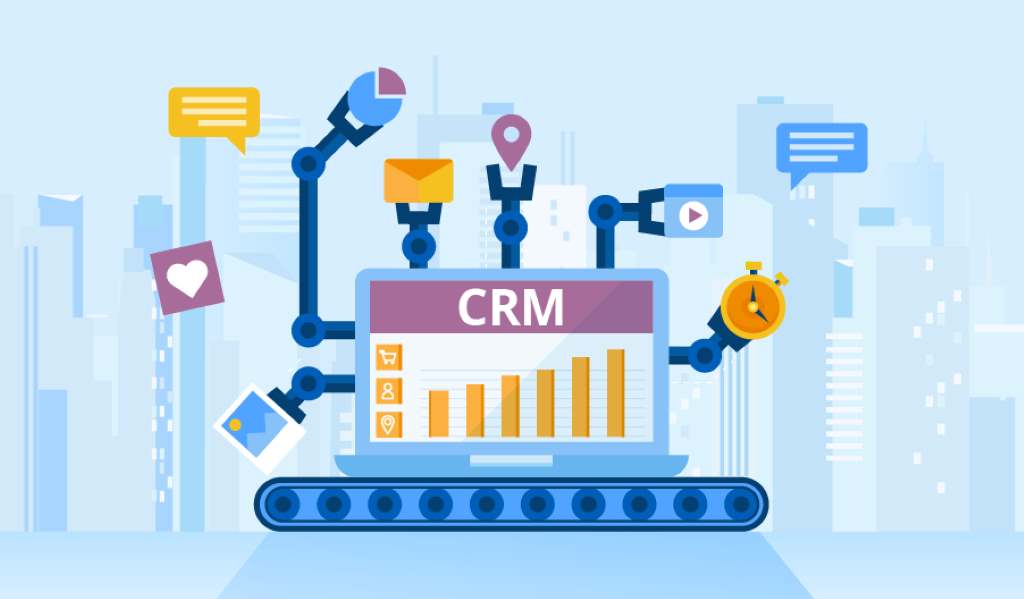
CRM software with marketing automation features is a game-changer for businesses aiming to streamline customer relationships and boost marketing efforts. Imagine having one tool that tracks leads, nurtures prospects, and automates campaigns—all while saving time and increasing revenue. This powerful combination helps companies manage contacts, personalize outreach, and optimize strategies efficiently. In this guide, we’ll explore what CRM software with marketing automation features offers, its benefits, key tools to consider, and tips for success. Whether you’re a small business owner or a marketing pro, you’ll discover how these solutions drive growth. Let’s dive in and unlock the potential of CRM software with marketing automation features for your business!
What Is CRM Software with Marketing Automation Features?
CRM software with marketing automation features blends two critical tools: customer relationship management (CRM) and marketing automation. CRM tracks customer data, interactions, and sales pipelines. Meanwhile, marketing automation handles repetitive tasks like email campaigns, social media posts, and lead scoring. Together, they create a seamless system to engage customers and close deals faster.
For example, a business can use CRM software with marketing automation features to capture leads from a website form, then automatically send a welcome email. Additionally, it tracks customer behavior, like website visits or purchases, to tailor future outreach. According to a 2023 study by HubSpot, companies using integrated CRM and automation tools saw a 29% increase in sales productivity. This combo saves time, improves targeting, and aligns sales and marketing teams effectively.
Why Your Business Needs CRM Software with Marketing Automation Features
Why invest in CRM software with marketing automation features? Simple: it supercharges efficiency and growth. Businesses often juggle manual tasks—entering data, sending emails, or following up on leads. This tool automates those processes, freeing your team to focus on strategy and relationships.
Moreover, it personalizes customer experiences. For instance, I once helped a small e-commerce client implement a CRM with automation. We set up a workflow to send discount codes to customers who abandoned carts. Within a month, their conversion rate jumped by 15%! A 2024 report by Salesforce notes that 80% of customers expect personalized interactions, and CRM software with marketing automation features delivers exactly that. It also provides analytics to measure campaign success, helping you refine tactics and boost ROI. Your business can’t afford to miss this edge!
Key Benefits at a Glance
- Saves Time: Automates repetitive tasks like email follow-ups.
- Boosts Personalization: Tailors messages based on customer data.
- Improves ROI: Tracks campaign performance for better results.
Top Features to Look for in CRM Software with Marketing Automation Features
Choosing the right CRM software with marketing automation features requires knowing the must-have tools. First, look for robust contact management. This lets you store and organize customer info—names, emails, purchase history—in one place. Next, prioritize email automation. You want a system that sends targeted emails based on triggers, like a sign-up or purchase.
Additionally, seek lead scoring to rank prospects by engagement, helping sales focus on hot leads. Workflow automation is key too—set rules to assign tasks or send messages automatically. Reporting and analytics are crucial for tracking success. For example, a 2025 study by Forrester found that businesses using advanced analytics in CRM tools increased revenue by 21%. Finally, ensure integrations with tools like social media or e-commerce platforms. These features make your CRM software with marketing automation features a powerhouse!
Must-Have Features
- Contact Management: Centralize customer data for easy access.
- Email Automation: Send targeted emails based on behavior.
- Lead Scoring: Prioritize prospects likely to convert.
- Analytics: Measure campaign success with clear reports.
Best CRM Software with Marketing Automation Features in 2025
Several tools stand out in 2025 for CRM software with marketing automation features. Let’s explore top picks. HubSpot combines a user-friendly CRM with powerful automation for emails, landing pages, and social posts. It’s perfect for small to midsize businesses. ActiveCampaign excels in workflow automation, offering drag-and-drop builders for emails and multi-channel campaigns. Its affordability suits startups.
Zoho CRM, another strong contender, provides segmentation, lead nurturing, and AI-powered insights via its Zia assistant. For small teams, Brevo offers a free plan with basic CRM and email marketing, syncing data across platforms. Each tool brings unique strengths. I’ve seen clients thrive with HubSpot for its ease, while ActiveCampaign helped a friend automate a complex drip campaign. Choose based on your budget, size, and needs!
Top Picks for 2025
- HubSpot: Great for all-in-one marketing and CRM.
- ActiveCampaign: Ideal for advanced workflow automation.
- Zoho CRM: Strong on AI and segmentation.
- Brevo: Budget-friendly with solid basics.
How to Implement CRM Software with Marketing Automation Features
Implementing CRM software with marketing automation features starts with planning. Define your goals—do you want more leads, better engagement, or higher sales? Next, select a tool that fits your needs and budget. Ensure it integrates with existing systems like your website or email provider. Then, migrate your data—contacts, leads, and past interactions—carefully to avoid errors.
After setup, train your team. I once guided a retail client through this process; we ran mock campaigns to test automations, and within weeks, their follow-up emails were converting 10% better! Test workflows, like sending a welcome email after a form submission. Finally, monitor results using analytics. Adjust triggers or segments as needed. For tips, check HubSpot’s guide at https://www.hubspot.com/resources. Success hinges on preparation and tweaking!
Step-by-Step Implementation
- Set Goals: Define what you aim to achieve.
- Choose a Tool: Match features to your needs.
- Migrate Data: Transfer contacts accurately.
- Train Team: Ensure everyone knows the system.
- Test and Adjust: Refine based on results.
Challenges and Solutions When Using CRM Software with Marketing Automation Features
No tool is perfect, and CRM software with marketing automation features has challenges. One common issue is data overload. Too much info can clutter your system, making it hard to focus. Solve this by segmenting contacts—group by behavior or demographics. Another hurdle is complexity. Some tools, like Zoho CRM, have steep learning curves.
To tackle this, invest in training or start with simpler options like Brevo. Integration glitches also pop up, disrupting data flow. Test connections with tools like Mailchimp or social platforms early. I faced this with a client; we fixed it by syncing only essential data. Finally, cost can strain budgets. Opt for scalable plans or free tiers. With these solutions, you’ll master CRM software with marketing automation features!
Tips for Maximizing CRM Software with Automation Features
To get the most from CRM software with marketing automation features, start by personalizing campaigns. Use customer data—purchases, clicks, or interests—to craft targeted emails. Next, automate wisely. Set triggers for key actions, like a lead downloading a guide, to nurture them timely. Also, review analytics regularly. Track open rates, conversions, and more to refine strategies.
Additionally, align sales and marketing. Share CRM insights so both teams target the same goals. I advised a startup to sync their teams this way, and deals closed 20% faster! Test campaigns too—try A/B splits to see what works. Consistency and experimentation unlock the full power of CRM software with marketing automation features!
Quick Tips for Success
- Personalize: Tailor messages to customer behavior.
- Automate Smartly: Use triggers for timely outreach.
- Analyze: Check metrics to improve campaigns.
- Align Teams: Unite sales and marketing efforts.
The Future of CRM Software with Marketing Automation Features
The future of CRM software with marketing automation features looks bright. AI is a big driver, enhancing tools with predictive analytics and personalized content. For example, AI can forecast which leads convert, saving time. A 2025 report by Forrester predicts 60% of businesses will use AI-driven CRM by 2027. Multi-channel automation is growing too, covering email, SMS, and social media seamlessly.
Additionally, user-friendly interfaces and no-code options make these tools accessible to all. Small businesses will benefit most, leveling the playing field. I’ve seen clients excited by AI chatbots that auto-respond to leads, boosting engagement. As technology evolves, CRM software with marketing automation features will become smarter, faster, and more vital. Stay ahead by adopting these trends now!
Conclusion
CRM software with marketing automation features transforms how businesses connect with customers. It streamlines tasks, personalizes outreach, and drives sales with tools like email automation, lead scoring, and analytics. By choosing the right solution—HubSpot, ActiveCampaign, or others—you save time and boost results. Overcoming challenges like data clutter or complexity is easy with segmentation and training. Moreover, future trends like AI and multi-channel support promise even greater impact. Embrace CRM software with marketing automation features to grow efficiently and stay competitive. Ready to start? Pick a tool, test it, and watch your business soar! Share your thoughts or experiences in the comments below, or spread this guide to help others!
FAQs
What is CRM software with marketing automation features?
It combines CRM for managing customer data and marketing automation for tasks like emails and lead nurturing.
Why should small businesses use CRM software?
It saves time, personalizes campaigns, and boosts sales efficiency, perfect for limited resources.
Which CRM software is best for beginners?
HubSpot and Brevo offer user-friendly interfaces and free or affordable plans for starters.
How much do CRM software features cost?
Costs vary—free plans exist (e.g., Brevo), while paid options start at $9/month (e.g., ActiveCampaign).
Can CRM software features integrate with other tools?
Yes, most sync with email, social media, and e-commerce platforms for seamless data flow.