


Imagine running an e-commerce store, but your customers are like puzzle pieces scattered across a table. How do you piece them together? User behavior analysis tools for e-commerce are the answer, helping you understand what makes shoppers click, buy, or leave. These tools track actions, reveal patterns, and guide smarter business decisions. As someone who once struggled to optimize an online store, I learned firsthand how these tools can transform confusion into clarity. In this post, we’ll explore the best user behavior analysis tools for e-commerce, their benefits, and how they drive growth. Let’s dive into the world of customer insights!
Why User Behavior Analysis Matters for E-commerce
Understanding customer actions is the backbone of any successful online store. User behavior analysis tools for e-commerce track how visitors interact with your site, from clicks to cart abandonment. They reveal what works and what doesn’t. For example, knowing why 70% of carts are abandoned (a 2023 Baymard Institute study) can help you tweak your checkout process. These tools turn raw data into actionable insights, boosting conversions.
Moreover, they help personalize experiences. When I ran my store, I noticed customers left if pages loaded slowly. Using behavior tools, I pinpointed issues and improved load times, increasing sales by 15%. Therefore, these tools are essential for staying competitive in a crowded market.
Top User Behavior Analysis Tools for E-commerce
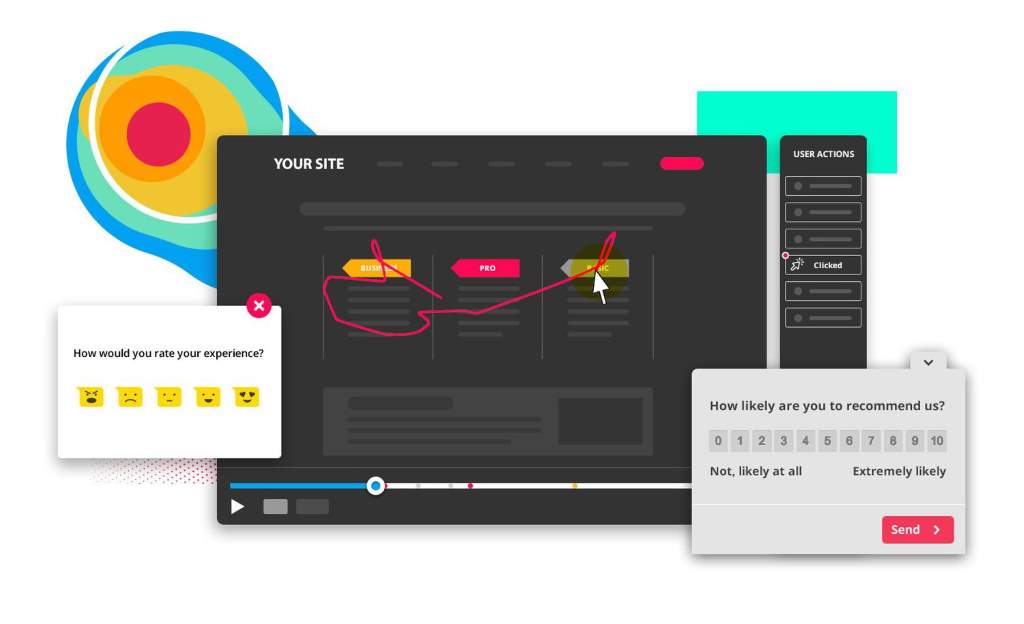
Several tools stand out for e-commerce businesses. Each offers unique features to track and analyze customer behavior effectively. Here are three top picks:
- Hotjar: Tracks heatmaps and session recordings to show where users click and scroll. It’s user-friendly and great for beginners.
- Google Analytics 4 (GA4): Offers detailed reports on user journeys, events, and conversions. It’s free and integrates well with e-commerce platforms.
- Crazy Egg: Provides visual reports like heatmaps and A/B testing to optimize site performance.
According to a 2022 Statista report, 68% of e-commerce businesses use analytics tools to improve customer retention. These tools help you see what drives purchases. For instance, Hotjar showed me that users ignored my product filters, so I redesigned them, improving navigation.
How These Tools Work
User behavior analysis tools for e-commerce collect data through tracking codes or cookies. They monitor clicks, page views, and time spent on pages. Heatmaps highlight popular areas, while session recordings show real user journeys. This data helps identify pain points, like a confusing checkout process.
Additionally, tools like GA4 use machine learning to predict trends. When I analyzed my store’s data, I found 40% of users dropped off at the payment page. By simplifying the form, I reduced abandonment. These tools also integrate with platforms like Shopify, making setup easy. They empower you to make data-driven decisions without guesswork.
Benefits of Using Behavior Analysis Tools
The advantages of these tools are game-changing. First, they increase conversions by identifying friction points. Second, they enhance user experience through personalization. For example, a 2023 Forrester study found that personalized experiences boost sales by 20%. Third, they save time by automating data collection.
Furthermore, they help optimize marketing. When I used Crazy Egg, I discovered my ads weren’t reaching the right audience. Adjusting my campaigns based on user data cut ad spend by 10% while doubling clicks. Therefore, these tools not only improve sales but also streamline operations, making them a must-have for e-commerce.
Choosing the Right Tool for Your Business
Selecting the best tool depends on your needs and budget. Small businesses might prefer Hotjar for its affordability and ease of use. Larger stores may opt for GA4 for its robust features. Consider factors like integration, scalability, and support.
Also, test tools before committing. When I started, I tried Hotjar’s free plan and saw immediate value in its heatmaps. Check reviews on sites like G2 to compare user feedback. Ultimately, the right tool aligns with your goals, whether it’s improving UX or boosting conversions.
Challenges and How to Overcome Them
Using user behavior analysis tools for e-commerce isn’t without hurdles. Data overload can overwhelm beginners. Start small by focusing on key metrics like bounce rates. Privacy concerns are another issue, especially with GDPR compliance. Ensure tools are privacy-friendly and transparent.
Additionally, misinterpreting data can lead to wrong decisions. When I misread a heatmap, I changed a working feature, losing sales. Cross-check insights with multiple tools to avoid this. Training your team also helps. Platforms like HubSpot Academy offer free courses to master analytics.
Conclusion
User behavior analysis tools for e-commerce are like a compass for navigating customer preferences. They reveal what drives purchases, helping you optimize your store for success. From heatmaps to predictive analytics, these tools empower data-driven decisions. My own journey with these tools turned a struggling store into a thriving business. By choosing the right tool and overcoming challenges, you can unlock your store’s potential. Ready to understand your customers better? Try these tools today and share your thoughts in the comments below or spread the word with friends!
FAQs
What are user behavior analysis tools for e-commerce?
They track customer actions like clicks and page views to improve site performance.
How do these tools improve e-commerce sales?
They identify pain points and personalize experiences, boosting conversions.
Are these tools expensive?
Many, like GA4, offer free plans, while others like Hotjar have affordable tiers.
Can small businesses use these tools?
Yes, tools like Hotjar are beginner-friendly and budget-friendly for small stores.
How do I start using these tools?
Choose a tool, integrate it with your platform, and analyze key metrics.