
Interior door styles shape how a home looks and feels long before anyone hangs a coat on the back of one. A hallway of plain slab doors reads very differently from one lined with five-panel doors and dark hardware, and that choice follows you through every room. Browse //newhouseproject.com/ and you will see how quickly the right door changes a space. This guide explains the main styles, where each works best, and how to avoid choices you will regret.
Quick answer: Match the door style to the room and the architecture around it. A solid panel door suits a bedroom, glazed doors work well between shared living spaces, and simple slab doors fit modern or budget-conscious projects. Choose the material and finish before you choose dimensions so cost and function stay clear.
What is interior door styles?
Door style refers to the visible face of a door rather than its frame or hinge. Buyers compare a handful of families: flat slab doors, single-panel doors, multi-panel doors, glazed doors, louvered doors, and French doors. Each family says something about the room before any furniture arrives.
The main styles explained
Slab doors have one flat surface with no molding. They give a clean, contemporary look and cost the least in most ranges. Painted slab doors hide scuffs badly compared with textured surfaces.
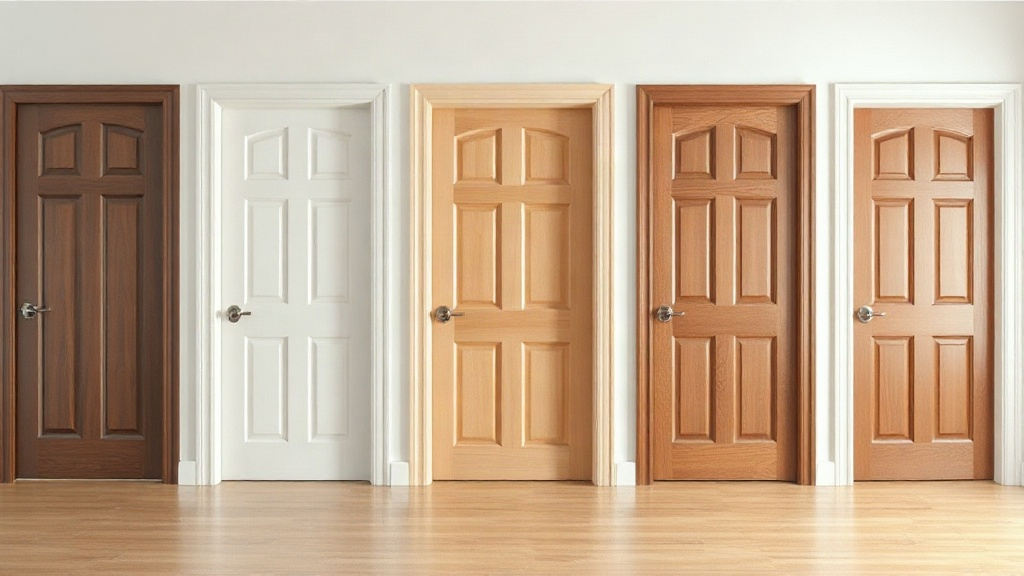
Panel doors divide the face into recessed or raised sections. A one-panel door is quiet and traditional. Two- and three-panel doors feel craftsman or cottage. Five-panel doors read formal and suit period homes.
Glazed doors include clear, frosted, or patterned glass. Frosted and reeded glass give light while preserving privacy, which makes them useful for bathrooms and small hallways.
Louvered doors have angled slats that allow air to pass. You see them on closets, laundry rooms, and utility cupboards where ventilation matters.
French doors consist of a pair of glazed doors, often used to divide a living room from a dining room or study.
Materials change the equation
Style and material are linked. Hollow-core doors are light and inexpensive, and they can sound hollow when knocked. Solid-core doors carry more weight and block more sound. Solid timber doors are heavier again and usually the most expensive. MDF panels accept paint smoothly; veneered timber shows a grain pattern.
Raised moldings gather dust in the recesses. Flat faces wipe clean in seconds. Think about who cleans your home and how often before you fall for an ornate design.
The frame, casing, and hardware do as much work as the panel design. A plain slab door with chunky modern trim can look more considered than a period panel door with thin, cheap casing.
Takeaway: Learn the five door families first, then narrow by material and maintenance. The face is the easy part.
Why interior door styles matters
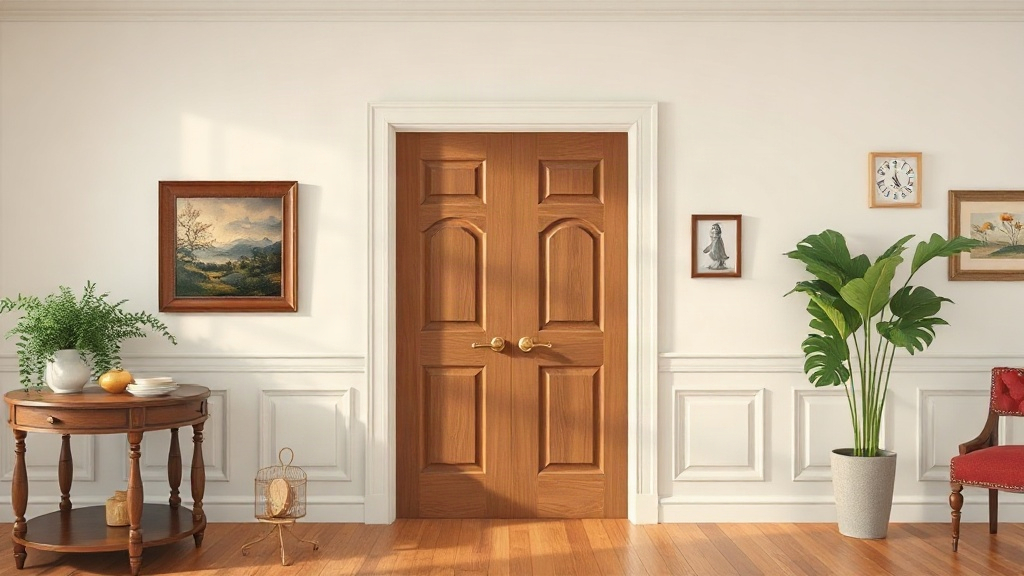
A home can contain a dozen or more interior doors, and each one occupies visible wall space. Their combined look sets the mood across the whole property. Get the style right and the house feels intentional. Get it wrong and rooms feel unfinished even when the furniture is carefully chosen.
Visual consistency and resale
Buyers notice repetition. Consistent doors throughout a home suggest a considered renovation. A mix of mismatched styles can suggest piecemeal work, which may factor into what buyers offer. You do not need identical doors everywhere, but shared family features, like the same panel profile or finish tone, help different rooms belong together.
Function and acoustics
Door style affects daily use. Louvered doors keep closets dry. Glazed doors borrow light into dark hallways. Solid doors reduce noise between bedrooms and living areas. Weightier doors often shut with a more satisfying feel and resist warping better in humid rooms.
Cost over the long term
Cheap hollow doors are tempting on a tight budget. They also show wear sooner and can be replaced before their paint needs a second coat. A mid-range solid-core door with a simple slab face often outlasts several cheaper alternatives.
The installation factor
Door style choices mean little if the frame is crooked or the reveal is uneven. Badly fitted doors stick, scrape, and drain heat from adjacent rooms. If you plan a renovation, it is worth understanding door frame installation before you order doors, because a poor frame will make even a premium door look cheap.
Takeaway: Think about the whole house, not one room. Consistency, acoustics, and lifespan all decide whether the style choice holds up.
Best practices
A good process beats a lucky guess. Match the door to the room, plan the hardware early, and buy a test door before committing to a full house.
Match the style to the room and the house
Old homes usually carry paneled doors and wide casings. Modern homes suit slab doors and minimal trim. Industrial spaces can use metal-framed glazed doors. For bedrooms and home offices, solid doors with simple panels keep sound inside. Bathrooms need moisture-resistant paint or a wood suitable for damp conditions.
Room-by-room shortlist
- Bedrooms: solid-core panel or slab doors for quiet.
- Bathrooms: frosted or reeded glazed doors, or a solid door with damp-resistant finish.
- Kitchen and dining: glazed or half-glazed doors to borrow light between spaces.
- Closets and laundry: louvered or slatted doors for airflow.
- Hallways: consider one style across all doors for visual continuity.
Buy a sample first
Order one door in your chosen finish before buying a full set. See it in the room’s natural light. Tinted paint can look entirely different from the swatch under your hallway lamps. A single sample costs little compared with reordering a dozen doors.
Plan hardware before you order
Lever handles suit slab and modern panel designs. Round knobs lean traditional. Concealed hinges keep modern doors clean; exposed butt hinges reward period homes. If you want a specific handle, check the door thickness and edge details support it.
Sketch the door swing, handle side, and furniture placement before ordering. Swapping the hinge side after delivery often means a new door, not a quick fix.
Set a realistic budget and timeline
Interior doors vary hugely in price. Hollow-core slab doors sit at the low end. Solid-core and glazed doors sit in the middle. Solid timber and bespoke joinery sit at the top. Installation and finishing add considerably to the door cost, and custom sizes add lead time.
Takeaway: Shortlist by room, then confirm with a sample and a hardware plan. Small tests prevent expensive repeat orders.
Common mistakes to avoid
Most dissatisfaction comes from a few predictable missteps. Here are the ones worth checking before you spend money.
Choosing style before function
A beautiful glass door in a bathroom sounds elegant until it removes all privacy. Louvered doors in a bedroom lose the noise insulation you need. Decide what the room requires, then choose a style that delivers it.
Ignoring the trim and casing
A door does not stand alone. Trim width and profile frame the panel design. A heavy period door under thin modern casing looks disconnected. Order the trim and door together so they belong to the same design language.
Measuring badly
Small measurement errors cause large problems. Check the doorway height, width, and frame opening at more than one point. Old houses settle, so a doorway that looks square rarely is. Allow for floor coverings; a thicker carpet can reduce clearance under the door.
Forgetting the finish
Painting or staining adds time, cost, and a surprising amount of skill. Factory-finished doors cost more but save labor and give a more uniform look. Site-finished doors demand careful sanding and drying conditions.
One style for every room
Uniformity has a limit. A solid slab door works in a hallway but feels stark in a period bedroom. Allow small variations while keeping a shared family of features.
Overlooking acoustics and fire
Doors between a garage and a home often need fire-rated construction. Doors between noisy and quiet rooms may need solid construction. Check requirements for any connected outbuildings or garages before ordering.
Fire-rated doors are compulsory in many situations, including garages and some rentals. Removing them or replacing them with cheaper alternatives can breach regulations and endanger occupants.
Takeaway: Check function, trim, measurements, and finish before style. Those four checks catch most regrets.
FAQ
How much does a typical interior door cost?
Prices range widely by material and size. Hollow-core slab doors usually sit at the entry level. Solid-core and glazed doors cost more. Finishing and fitting add further cost, and custom sizes cost the most.
Can I mix door styles in one home?
Yes, if the mix has logic. Keep the same door family throughout the house and vary details by room. Avoid several unrelated styles on one floor, because the mix will look accidental rather than designed.
What door works best for a small, dark hallway?
A glazed door with frosted glass lets light travel without sacrificing privacy. A narrow slab door in a pale color also helps narrow spaces feel less heavy. Always check the swing won’t block the corridor.
Is it worth paying more for solid-core doors?
Solid-core doors block sound better, feel more substantial, and usually resist warping longer than hollow-core versions. If bedroom privacy or durability matters, the extra cost tends to pay back over the life of the home.
How long does installation take?
A standard replacement door can be fitted in a few hours by a competent joiner. Replacing the full frame takes longer and often requires making good the surrounding wall. Allow extra time for painting and drying.
Conclusion
Choosing interior door styles comes down to three questions. What does this room need to do? Which door family fits the architecture? And can the budget cover installation and finish as well as the door itself? Work through those answers room by room, buy one sample, and plan hardware and trim together. Start by shortlisting two or three styles, confirm them in a spare room, then place the full order.