

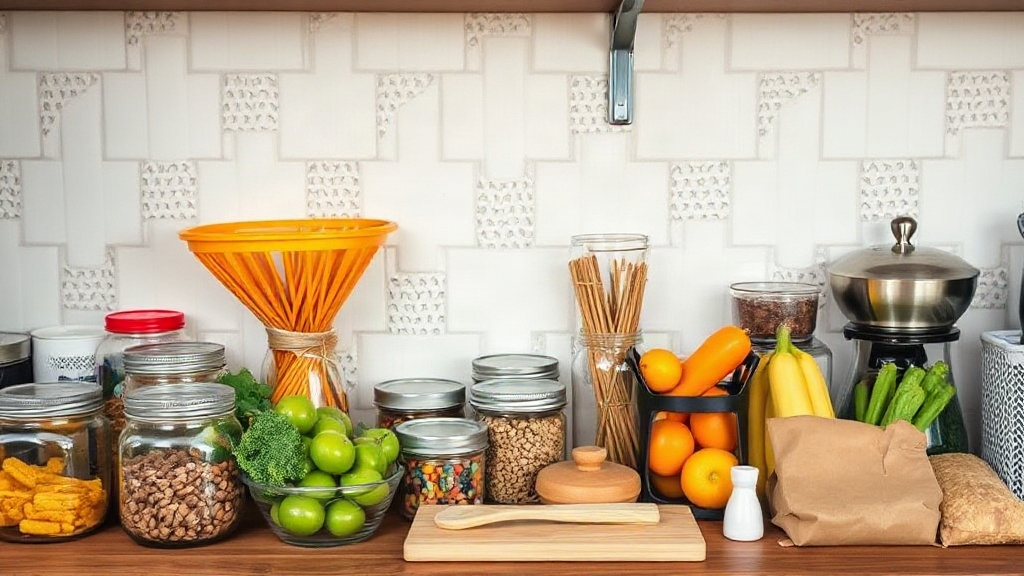
Building a healthier pantry rarely starts with a dramatic overhaul; it starts with noticing what sits on your shelves week after week. Maybe you keep buying the same cereal, the same cooking oil, the same jarred sauce, and the same trusty black tea. Yet you sense that a handful of small substitutions could make your everyday food a bit more wholesome. Anyone comparing organic options, including basics like //greenideasproducts.com/ staples, quickly learns that the useful changes are simple and repeatable. This guide shows you which swaps are worth the effort, how to plan them, and where to be careful.
Quick answer: Building a healthier pantry means replacing a few everyday staples with organic or less-processed versions, one category at a time. Start with items you use most often, compare ingredient labels rather than packaging claims, and keep a written inventory so you buy what you actually eat. Most people can make meaningful swaps over two or three normal shopping trips.
What is building a healthier pantry?
A healthier pantry is not a collection of pricey specialty goods. It is a working stock of food you cook with regularly, chosen with a little more care than habit allows. Building a healthier pantry means reviewing what you keep on hand and trading a few items for versions with shorter ingredient lists or organic certification.
The word "organic" describes how food is grown and processed. In many countries, organic certification involves rules on synthetic pesticides, fertilizers, and additives. It is a label about production, not a promise that a food is low in sugar or calories. A certified organic cookie is still a cookie.
That distinction matters because pantry upgrades fall into two separate categories:
- Farming swaps: organic flour, oats, dried beans, rice, or canned tomatoes.
- Processing swaps: plain oats instead of sweetened packets, or whole tomatoes instead of a sauce with added sugar.
Both types count. A jar of organic passata that still lists nothing but tomatoes and salt is a double win, but either change on its own helps.
Think about your own shelf. The average pantry holds a surprising number of distinct items — oils, grains, canned goods, spices, condiments, tea, coffee, snack bars. Each one is a decision point. You do not need to change all of them.
The swaps that matter most are the ones you use most. Buying organic flour when you bake twice a year changes little; buying it when you bake weekly changes a lot.
Takeaway: define the goal in terms of your real shopping list, not an idealized shelf.
Why building a healthier pantry matters
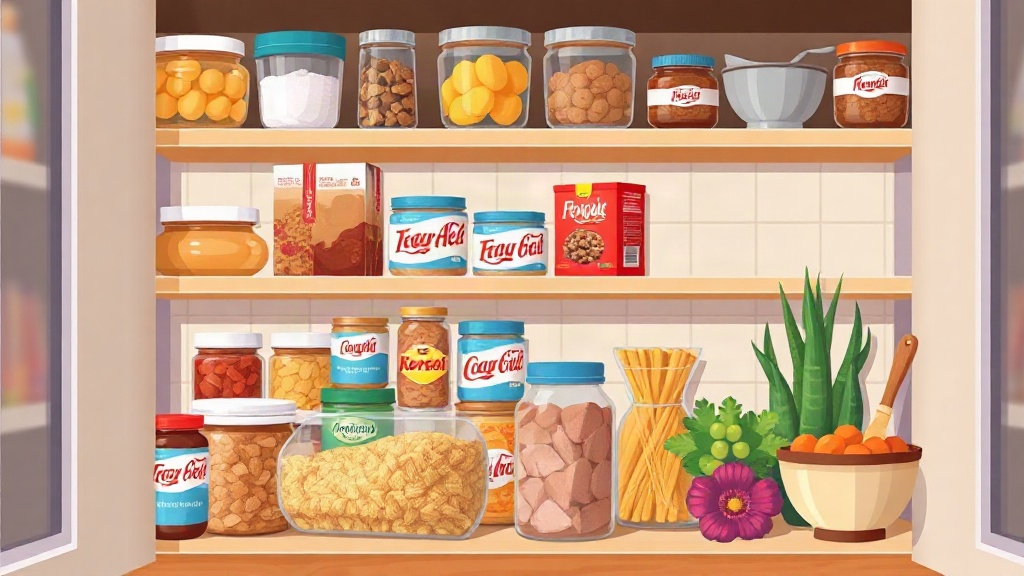
Most pantry decisions happen on autopilot. You reach for the same brand because it is familiar, not because you looked at the label. A deliberate review breaks that loop. Many people find that a small number of items accounts for a large share of their weekly cooking, so improving those items shifts a lot of meals at once.
There are practical reasons beyond nutrition. Organic grains, beans, and spices tend to have shorter ingredient lists, which makes meal planning simpler when you are cooking from scratch. A pantry stocked with plain basics gives you more flexibility. You can season to taste rather than accepting whatever a sauce packet decided.
It also changes how you use the food you buy. When your shelf holds organic dried lentils, brown rice, oats, and canned tomatoes, dinner becomes a matter of combining them. Fewer pre-made items means less packaging and less waste, and you learn what each ingredient contributes to flavor.
A word on expectations: organic food is not automatically more nutritious in every case. Reviews comparing organic and conventional produce generally find modest differences in certain nutrients and pesticide residues. The case for swapping rests on three things together — what you value, what you cook, and what you can afford. That is a personal calculation, and it deserves honest treatment rather than marketing language.
Certain pantry categories deserve extra attention because you consume them daily. Tea and coffee are good examples. Learning how organic and conventional versions differ — see this guide to organic green tea benefits for a practical comparison — helps you decide whether the switch fits your routine.
Takeaway: treat pantry improvements as a cooking-quality project with health side benefits, not the reverse.
Best practices
The most effective approach is sequential. Change one category per shopping trip, and let each new item earn its place before you add another.
Start with a shelf audit. Write down every item you keep in the pantry. Next to each, note how often you use it. Circle the five items that appear most often. Those are your swap candidates. Everything else can wait.
Read the ingredient list first, the front label second. Front-of-pack claims are marketing. The ingredient list tells you what is actually inside. A product with five recognizable ingredients usually beats one with eighteen.
Buy organic where it counts for you. If spray residues concern you, focus on produce and grains. If you care about animal welfare, prioritize eggs and dairy. If your budget is finite, spend it on the foods you eat weekly.
Choose plain over flavored. Plain oats, plain yogurt-style starters, plain canned tomatoes, and plain nuts give you control. Flavored versions frequently add sugar and salt to compensate.
Store smart so swaps do not spoil. Beans, rice, and flour keep longer in airtight containers away from heat and light. Whole grains and ground spices go rancid over time, so buy smaller quantities and use them.
Compare unit prices. Bulk organic oats and beans can cost little more per serving than conventional packaged versions. The box size is not the price.
Keep a running list on the shelf door. Write what runs low as you use it, so your next shop restocks accurately instead of adding duplicates.
Mark the day you open flour, spices, or cooking oil. You will remember to use them while they are still good.
Takeaway: go category by category, and let labels and frequency drive every decision.
Common mistakes to avoid
The most frequent error is treating organic as a synonym for healthy. Organic snack bars, sweetened cereals, and cookies still carry sugar and salt. The certification describes production, not nutrition.
Rewriting the whole pantry at once. Replacing everything in one shopping trip is expensive, and you often end up buying items you will not use. Slow, sequential swaps stick far better.
Ignoring your cooking style. A shelf of specialty ingredients looks impressive but rots if you never cook that way. Buy for the meals you actually make on a weeknight.
Buying in bulk without a plan. Bulk pricing only pays off when you use the food before it spoils. Split large bags into smaller containers and store them properly.
Skipping expiration dates on the goal of "stocking up". Pantry food does not last forever. Rotate older items to the front and check dates before adding more.
Assuming price equals quality. A famous brand name does not guarantee a better ingredient list. Store brands sometimes offer identical contents for less.
Forgetting about storage conditions. Heat, light, and moisture degrade food quality. A hot cupboard above the stove is not the best home for oils or spices.
Organic staples often cost more than conventional versions, and budgets are real. Swapping two or three items well beats swapping ten poorly.
Takeaway: restraint and planning protect your budget as much as they protect your shelf.
FAQ
Do I need to replace everything at once?
No. A few well-chosen swaps in the foods you use weekly deliver most of the value. Changing one category per shopping trip keeps costs manageable.
Is organic always healthier than conventional?
Not always. Organic describes farming and processing, so sweetened organic snacks are still sweetened snacks. Judge each product by its ingredient list too.
How much does a healthier pantry cost?
It varies widely by store and region. Bulk organic grains and beans are often the most economical options. If your budget is limited, prioritize the items you use most.
Which pantry items are worth swapping first?
Start with items you use daily: cooking oils, oats, flour, rice, beans, canned tomatoes, and tea or coffee. These account for the largest share of everyday eating.
How do I stop organic food from going bad?
Buy smaller quantities of perishable whole grains and ground spices. Store everything in airtight containers away from heat and light, and label opening dates.
Conclusion
A healthier pantry is built from a short list of deliberate choices, not a full redesign. Review what you use weekly, read ingredient lists before front-label claims, and trade one category at a time. Keep storage simple so organic staples actually get eaten, and let budget and cooking habits guide which swaps you choose.
Your next step is a ten-minute shelf audit. Write down five items you use most, check their labels on your next shop, and replace just one of them with a better version. Repeat the process next week, and the pantry improves itself.