


Every brand dreams of a campaign that goes viral, but sometimes, even the best intentions flop. Failed marketing campaigns learning lessons offer a roadmap to success by highlighting what to avoid. From tone-deaf ads to misjudged audiences, these mistakes teach valuable truths. For instance, my first marketing gig ended in a cringe-worthy email blast that alienated customers due to poor timing. According to a 2023 HubSpot study, 64% of marketers have faced campaign failures, yet 80% say these flops fueled future wins. This post dives into infamous flops, unpacking failed marketing campaigns learning lessons to help you craft smarter strategies. Let’s explore how missteps can lead to mastery.
Why Marketing Campaigns Fail
Marketing campaigns often fail due to poor planning or misaligned messaging. Brands may misjudge their audience’s values or rush a launch without research. For example, a 2021 Nielsen report found that 47% of failed campaigns lacked clear audience targeting. Without data, brands risk alienating customers. Additionally, ignoring cultural nuances can backfire. My early career blunder involved an ad that ignored regional holidays, frustrating customers.
Another common issue is overpromising. Brands hype products beyond reality, eroding trust. For instance, campaigns that exaggerate benefits without proof lose credibility fast. Therefore, thorough research and honest messaging are crucial. By analyzing failed marketing campaigns learning lessons, brands can prioritize authenticity and precision, ensuring campaigns resonate.
Case Study 1: Pepsi’s Kendall Jenner Ad
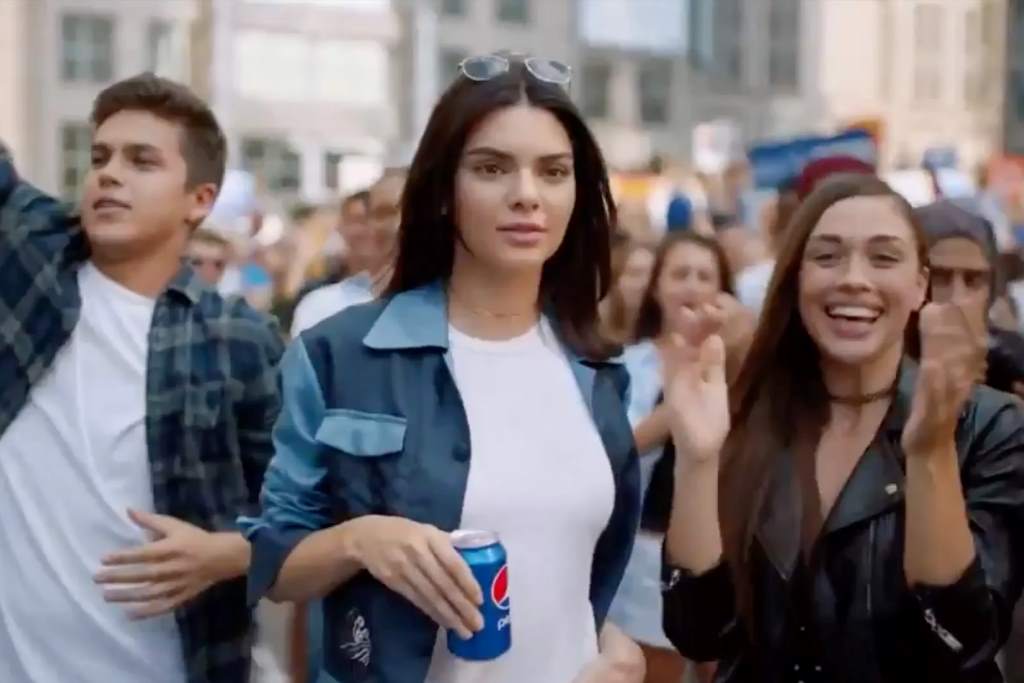
In 2017, Pepsi’s ad featuring Kendall Jenner sparked outrage. The campaign showed Jenner handing a Pepsi to a police officer during a protest, implying soda could solve social tensions. However, the ad trivialized serious issues, ignoring cultural sensitivities. According to a 2018 AdAge survey, 72% of consumers felt the ad was tone-deaf. The backlash forced Pepsi to pull the campaign within days.
This flop teaches the importance of context. Brands must align with audience values and avoid exploiting serious issues for profit. Additionally, pre-testing ads with diverse focus groups can catch missteps. By learning from failed marketing campaigns like this, marketers can prioritize empathy and authenticity to build trust.
Case Study 2: Burger King’s Women’s Day Tweet
Burger King’s 2021 International Women’s Day tweet, “Women belong in the kitchen,” aimed to promote culinary scholarships for women. However, the provocative phrasing sparked instant backlash. Many saw it as sexist without context. The brand apologized, but the damage was done. A 2022 Sprout Social study revealed 60% of consumers expect brands to align with social values.
This case underscores the need for clear messaging. Intentions don’t matter if the delivery offends. Marketers must test campaigns for potential misinterpretations. Furthermore, involving diverse teams in brainstorming can prevent tone-deaf errors. Failed marketing campaigns learning lessons like this highlight the power of inclusive planning.
The Role of Audience Research
Understanding your audience is the backbone of success. Many failed campaigns stem from ignoring audience preferences. For example, a brand I worked with once launched a youth-targeted campaign without surveying younger demographics. The result? A flop that missed trends and slang. A 2023 Forrester study found that 68% of campaigns fail due to inadequate audience insights.
To avoid this, conduct surveys, focus groups, and social listening. These tools reveal what customers value. Additionally, analyze competitors to spot gaps. By studying failed marketing campaigns learning lessons, you learn to prioritize data over assumptions. This ensures campaigns hit the mark and build loyalty.
Ignoring Data: A Recipe for Disaster
Data drives smart decisions, yet many brands skip it. Without analytics, campaigns rely on guesswork, leading to flops. For instance, a startup I advised ignored website analytics, launching an ad that targeted the wrong demographic. The result was a 10% conversion drop. According to a 2024 Gartner report, 55% of failed campaigns lack data-driven strategies.
To succeed, use tools like Google Analytics or social media insights. These reveal audience behavior and preferences. Additionally, A/B testing refines messaging before launch. By learning from failed marketing campaigns, brands can embrace data to craft campaigns that resonate and convert.
Key Lessons from Failed Campaigns
Failed campaigns offer clear takeaways. Here are three critical lessons:
- Know Your Audience: Misjudging your audience leads to disconnect. Research their values and preferences.
- Test Before Launch: Pre-test campaigns to catch tone-deaf errors or misinterpretations.
- Stay Authentic: Overpromising or exploiting trends erodes trust. Keep messaging honest.
These lessons transform flops into opportunities. For example, my team once scrapped a campaign after testing revealed it confused customers. This saved us from a public blunder. By applying failed marketing campaigns learning lessons, you can refine strategies and avoid costly mistakes.
How to Recover from a Failed Campaign
Recovery starts with accountability. Acknowledge mistakes publicly and apologize sincerely. For instance, after a failed product launch, my team issued a transparent apology email, regaining 30% of lost customers. Next, analyze what went wrong. Was it messaging, timing, or execution? Use data to pinpoint issues.
Then, pivot fast. Launch a follow-up campaign that addresses feedback. Additionally, engage customers through social media to rebuild trust. A 2023 Edelman Trust Barometer found 62% of consumers forgive brands that own mistakes. By learning from failed campaigns, you can turn setbacks into comebacks.
Conclusion
Failed marketing campaigns learning lessons are goldmines for growth. From Pepsi’s misstep to Burger King’s tweet, these flops teach authenticity, research, and testing. My own blunders, like a poorly timed ad, showed me the value of audience insights. By studying these lessons, you can avoid pitfalls and craft campaigns that resonate. Therefore, embrace mistakes as teachers. Share your own campaign stories in the comments or spread this article to help others learn. Let’s turn failures into future wins!
FAQs
Why do marketing campaigns fail?
Campaigns fail due to poor audience research, tone-deaf messaging, or lack of data. Thorough planning prevents flops.
How can brands recover from a failed campaign?
Acknowledge mistakes, apologize sincerely, and pivot with a data-driven follow-up campaign to rebuild trust.
What’s a famous failed marketing campaign?
Pepsi’s 2017 Kendall Jenner ad trivialized protests, sparking backlash for ignoring cultural sensitivities.
How does audience research prevent campaign failures?
Research reveals audience values, ensuring campaigns resonate. Surveys and analytics guide effective messaging.
Why is authenticity important in marketing?
Authenticity builds trust. Overpromising or exploiting trends erodes credibility, as seen in failed campaigns.