
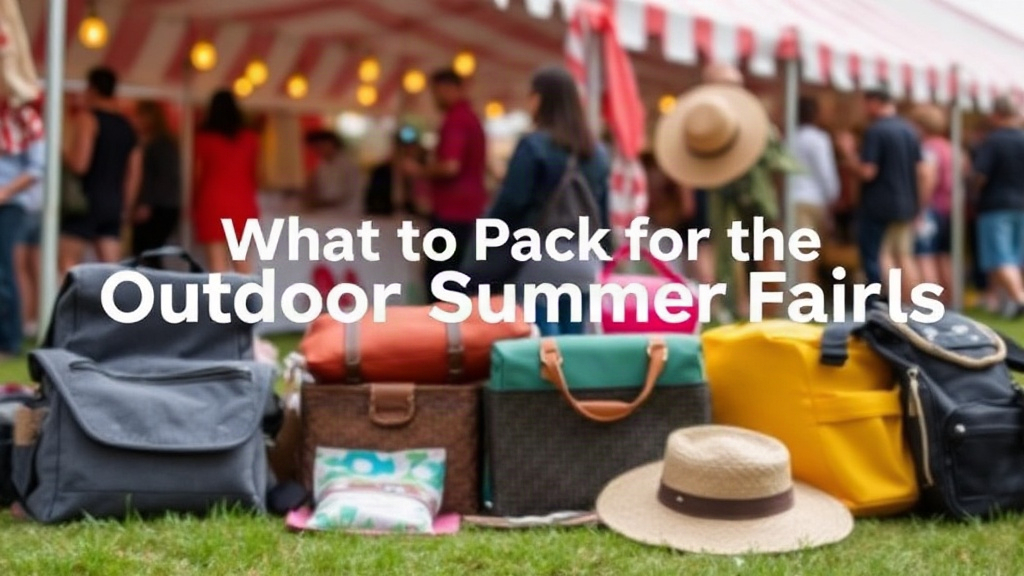
A good summer festival packing list starts with one question: what will you carry for eight hours on grass, gravel, and concrete? A first-time fairgoer often packs either far too much or forgets the two items that matter most, water and sun protection. The right kit fits in one small backpack and leaves your hands free for food, maps, and souvenirs. That balance of comfort and practicality is what this guide covers, from essentials to smart extras, with pointers from resources such as //bereviewers.com/ for anyone planning a first visit.
Quick answer: Pack light, pack for heat, and plan to carry everything yourself. Bring a refillable water bottle, sunscreen, a hat, a portable charger, cash, and a small first-aid pouch, all in a bag you can wear on your back. Leave valuables and bulky items at home, and check the fair’s bag policy before you go.
What is summer festival packing list?
A summer festival packing list is a short, practical set of items you bring to an outdoor fair to stay cool, comfortable, and fed for a full day. It covers three areas: health and comfort (water, sunscreen, shade), logistics (tickets, cash, phone power), and small conveniences (wipes, snacks, a cloth bag for purchases).
The list differs from a vacation packing list because you carry everything on foot, often in heat. Fairgrounds tend to have long walking distances between entrances, stages, and food areas. Parking lots may sit half a mile from the gate, so every extra pound counts twice.
Most items on a useful list serve more than one purpose. A wide-brimmed hat blocks sun and doubles as rain cover in a passing shower. A bandana works as a sweat rag, a hair tie, or a cool compress. Think in multipurpose tools rather than single-use gadgets.
Seasoned fairgoers tend to sort their kit into categories to avoid overpacking:
- Worn, not carried: comfortable shoes, light clothing, a hat, sunglasses
- Carried: water, sunscreen, charger, cash, wipes, snacks, a light layer
- Left at home: valuables, large coolers, heavy cameras, extra shoes
If you cannot comfortably wear your packed bag for a 20-minute walk, you have packed too much. Cut weight before you cut essentials.
The goal is not to survive the day but to enjoy it. A pack that weighs a few pounds and covers heat, hunger, and phone power leaves you free to watch shows, try food, and wander without regret.
Key takeaway: Define your list by what you can carry on foot all day, not by what you might use in a perfect scenario.
Why summer festival packing list matters
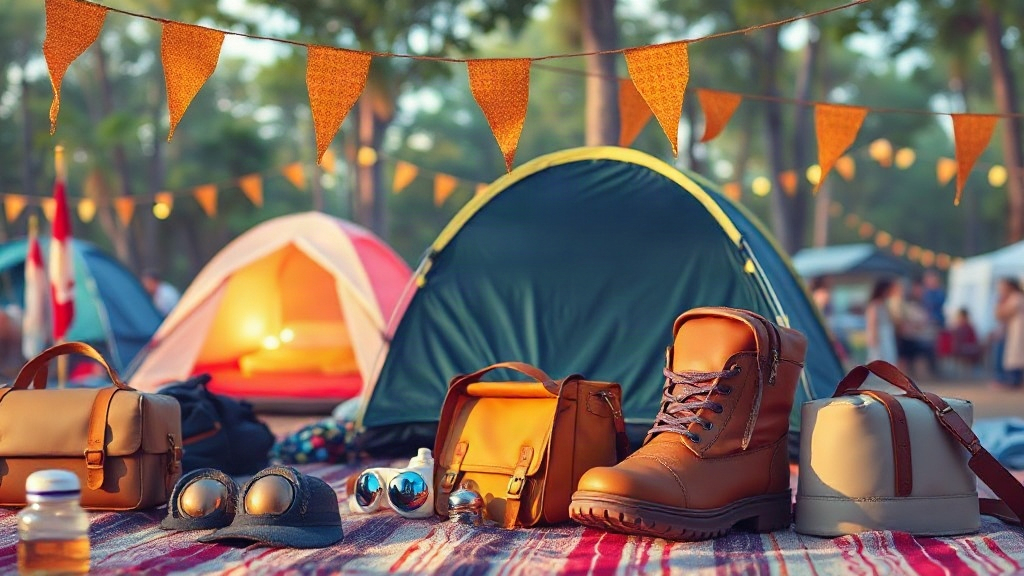
Heat is the main reason a packing list matters. Outdoor fairs in summer often combine direct sun, crowded paths, and long hours on your feet. Dehydration and sunburn can end a day early, and both are preventable with a bottle and a tube of sunscreen.
Walking is the second reason. Fairgrounds can sprawl across dozens of acres, with gravel roads, grass lots, and pavement in between. Shoes that work for a short errand may not survive six hours of that mix. A blister in the first hour can shape how the rest of the day goes.
Money and phone power round out the practical side. Many vendors accept cards, but small stands and older food stalls still run on cash. A dead phone battery cuts you off from your group, your ride, and your tickets stored in an app. If you are weighing a bigger trip, seeing what to expect at the Iowa State Fair shows how much a single event can demand from both your feet and your planning.
Security matters too. Crowded grounds make wallets and phones easy to lose. A zipped bag worn on your front or a small crossbody pouch reduces the risk of theft and drops.
A packed kit also improves the experience for the people around you. Sunscreen and water keep you steady in line. Wipes keep hands clean before you eat. Small courtesies add up on a hot day.
On days when the heat index climbs above 90°F, plan shorter stretches outdoors and find shade or an indoor building every hour or two. Heat illness can set in faster than most people expect.
Key takeaway: The list protects your health, your money, and your energy, which are the three things a long outdoor day spends fastest.
Best practices
Build your list in two stages: a base kit you always carry and a set of adjustments for the specific fair. The base kit stays the same across seasons. The adjustments come from a quick check of weather, venue rules, and hours.
Build a base kit
Every outdoor fair kit should cover five basics: hydration, sun protection, food, power, and first aid. A refillable bottle, broad-spectrum sunscreen of SPF 30 or higher, a few snacks, a charged power bank, and a small pouch with bandages and pain relievers handle most situations. Add cash in small bills and a copy of your ticket, digital or printed.
Adjust for the weather
Check the forecast the night before and again in the morning. A hot, dry day calls for extra water and a cooling towel. A day with afternoon storms calls for a light rain jacket or poncho and a plastic bag to protect your phone. Mild evenings may need a thin long-sleeve layer.
Pack by weight and access
Put heavy items at the bottom of the bag and things you use often near the top. Water, sunscreen, and your phone should sit within easy reach. You do not want to dig through a full pack every time you need a sip.
Plan for purchases
Bring one folded cloth bag for souvenirs, food, or a jacket you shed. It weighs almost nothing and saves you from juggling loose items. Smaller bags inside your pack keep snacks and cables organized.
Know the venue rules
Many fairs restrict bag size, limit outside food and drink, or ban glass containers. Check the rules before you leave. A clear bag or a small backpack often clears security faster than a large tote.
Comparison: day kit vs. evening kit
| Item | Day visit | Evening visit |
|---|---|---|
| Water | 1L bottle | 0.5L bottle |
| Sun protection | Sunscreen and hat | Sunglasses only |
| Layer | Light shirt | Thin jacket or hoodie |
| Lighting | None | Small flashlight or phone light |
Notice how the evening kit trades sun protection for warmth and light. Match the kit to your actual hours on the grounds.
Key takeaway: Start with a fixed base kit, then adjust for weather, rules, and time of day so you carry only what the day requires.
Common mistakes to avoid
The most common mistake is overpacking. A heavy bag slows you down, tires your shoulders, and gets in the way in crowds. If you have not used an item in two hours, it was probably not needed.
A second mistake is relying on the venue for basics. Lines at water fountains and food stands can run long. Prices inside often run higher than outside. Arriving with your own water and a snack saves time and money.
A third mistake is wearing new shoes. Fresh footwear needs a break-in period. Pack a pair you have already walked several miles in, and add blister plasters to your first-aid pouch as a backup.
Skipping sun protection is another frequent error. Overcast days still pass ultraviolet light, and shade is not guaranteed. Reapply sunscreen every two hours and after heavy sweating.
Finally, many people forget to tell someone their plans. Share your location and a rough schedule with a friend before you go. If your phone dies, someone still knows where to look.
Keep your list saved in a notes app. Check items off as you pack, and update the list after each fair with what you used and what you never touched.
Avoid these traps by packing once, testing the load, and trimming anything you cannot justify. Your back and feet will thank you by mid-afternoon.
Key takeaway: Most packing failures come from carrying too much, trusting the venue for basics, and neglecting your feet and sun protection.
FAQ
How much water should I bring to an outdoor fair?
Carry at least one liter per person, and refill at fountains or stations when you can. On hot days, aim higher and add electrolyte tablets if you sweat heavily. Many fairs allow empty bottles and refill stations.
Is a backpack or a crossbody bag better for a festival?
A small backpack spreads weight across both shoulders, which suits long days on your feet. A crossbody bag keeps valuables in front and is easier to watch in crowds. Choose based on what you carry and check the venue’s bag rules.
What should I wear to an outdoor fair in summer?
Wear light, breathable clothing, a hat, sunglasses, and broken-in walking shoes. Skip new footwear and heavy fabrics. Bring a thin layer for evening temperatures or air-conditioned buildings.
Do I need cash at a summer festival?
Bring some cash in small bills even if you plan to use cards. Not every vendor has a card reader, and cash lines sometimes move faster. Keep it in a zipped pocket rather than a loose bag.
How early should I pack for a festival?
Pack the night before and recheck the weather that morning. A short, fixed list stored in your notes app makes packing quick. Leave room in your bag for purchases and a layer you may shed.
Conclusion
A summer festival packing list works best when it stays small and specific. Bring the five basics, adjust for weather and venue rules, and leave the rest at home. Comfortable shoes, water, and sun protection do more for your day than any gadget. Before your next fair, save a short list, pack it the night before, and walk out the door with a bag you barely notice. That is the version of the day you will remember for the fun, not the fatigue.