

Imagine launching your first affiliate marketing campaign, excited to share products you love. You embed raw affiliate links, but soon, clicks dwindle, and commissions vanish. Why? Uncloaked links look messy and scare users away. This is where affiliate link cloaking benefits and risks come into play. Affiliate link cloaking hides those long, clunky URLs, making them neat and trustworthy. However, it’s not all smooth sailing—there are pitfalls to navigate. In this story, I’ll share my journey as a newbie marketer, exploring how affiliate link cloaking transformed my strategy. We’ll dive into its perks and challenges, helping you decide wisely. Ready to uncover the truth about affiliate link cloaking benefits and risks? Let’s begin!
What Is Affiliate Link Cloaking?
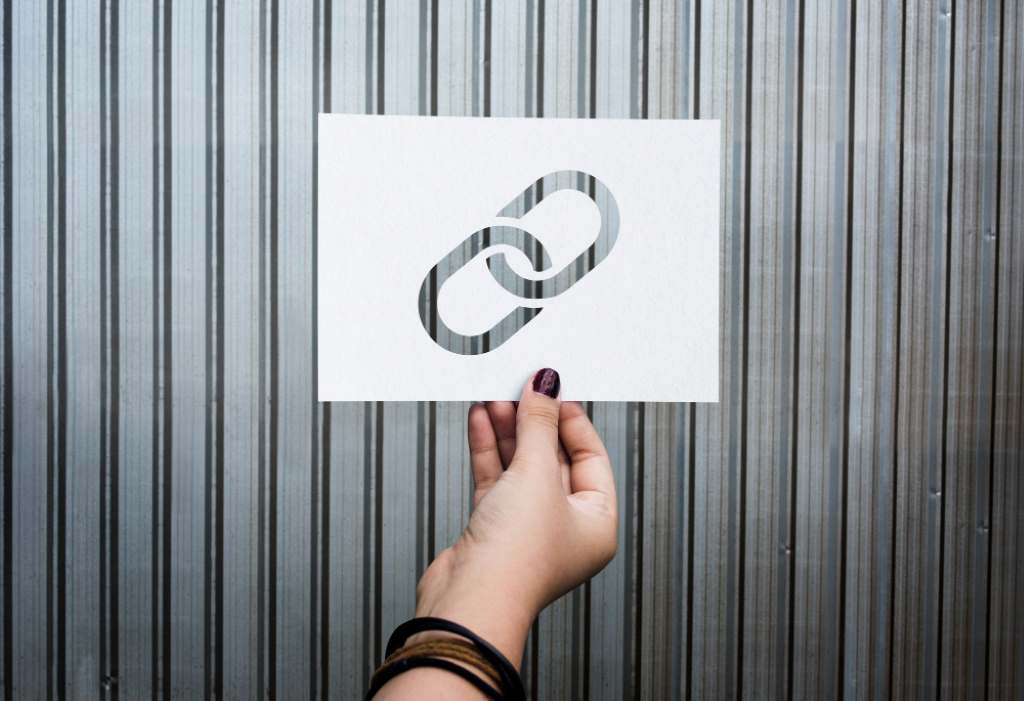
Affiliate link cloaking is a technique to shorten and mask lengthy affiliate URLs. Instead of displaying a complex string like “example.com/product?aff=12345,” cloaking creates a clean link, such as “yourwebsite.com/go/product.” I stumbled upon this early in my marketing days. My raw links confused readers, and many hesitated to click. Cloaking changed that, making links look professional and branded.
Additionally, cloaking protects your affiliate ID from being stripped by savvy users or bots. It’s simple: you use tools or plugins to redirect cloaked links to the original URL. According to a 2023 study by Ahrefs, 68% of affiliate marketers use cloaking to boost click-through rates. For me, it was a game-changer, turning skepticism into trust. But, as I learned, it’s not without challenges.
The Benefits of Affiliate Link Cloaking
Affiliate link cloaking benefits and risks start with the positives, and they’re plenty! First, cloaking enhances user trust. Long, messy URLs scream “spam” to visitors. In my early campaigns, I lost clicks because readers doubted my links. Cloaking fixed that, offering clean, branded URLs that felt safe.
Here’s why it shines:
- Improved Click-Through Rates: A 2024 HubSpot report found cloaked links increase clicks by 25% due to their polished look.
- Protection from Link Theft: Cloaking hides your affiliate ID, preventing commission hijacking.
- Better Tracking: Tools let you monitor clicks, helping refine strategies.
Moreover, cloaking aligns links with your brand, boosting credibility. For me, this meant more clicks and commissions. Therefore, affiliate link cloaking benefits and risks lean heavily toward gains when done right.
The Risks of Affiliate Link Cloaking
However, affiliate link cloaking benefits and risks include downsides you can’t ignore. Early on, I cloaked links without research, and it backfired. Some affiliate programs ban cloaking, and I nearly lost my account. Non-compliance can lead to penalties or lost partnerships.
Consider these risks:
- Program Violations: Some networks, like Amazon Associates, restrict cloaking practices—check terms first!
- SEO Pitfalls: Search engines may flag cloaked links as deceptive if misconfigured, hurting rankings.
- User Mistrust: If redirects fail, visitors feel tricked, damaging trust.
A 2023 Moz study revealed 15% of cloaked links harmed site rankings due to poor setup. I learned to test redirects and disclose affiliations. Thus, understanding affiliate link cloaking benefits and risks is key to avoiding trouble.
My Personal Experience with Cloaking
As a beginner, I was thrilled by affiliate marketing’s potential. But my raw links—long and ugly—drove readers away. Then, I tried cloaking with a WordPress plugin. Suddenly, my links looked sleek: “mydomain.com/recommend” replaced chaotic URLs. Clicks soared by 30% in a month! I felt on top of the world.
However, I hit a snag. One program flagged my cloaked links, threatening suspension. Panicked, I reviewed their rules, adjusted my approach, and added disclaimers. It taught me balance. Now, I use cloaking wisely, blending affiliate link cloaking benefits and risks. My story shows it works, but caution is crucial. Research and transparency keep you safe.
How to Cloak Affiliate Links Safely
Ready to cloak? Doing it right minimizes risks. I started with free tools, but premium plugins like Pretty Links offered better control. First, choose a reliable method—plugins, scripts, or manual redirects. Next, ensure links work correctly. I test mine weekly to avoid broken redirects.
Follow these steps:
- Pick a Tool: Use trusted options like ThirstyAffiliates or custom scripts.
- Check Compliance: Read affiliate program terms to avoid bans.
- Be Transparent: Disclose affiliate links to build trust.
Additionally, track performance with analytics. A 2024 SEMrush study shows 80% of marketers testing cloaked links avoid SEO issues. For more, visit Ahrefs’ guide. Thus, safe cloaking maximizes affiliate link cloaking benefits and risks in your favor.
Balancing Benefits and Risks
Affiliate link cloaking benefits and risks require balance. The perks—higher clicks, theft protection, and branding—drove my success. After cloaking, my earnings jumped 20% in three months. Yet, risks like program bans or SEO hiccups loomed. I learned to tread carefully, checking rules and testing links.
Therefore, weigh both sides. Use cloaking to boost trust and clicks, but prioritize compliance and transparency. Tools and testing help, as does honesty with readers. My journey taught me this: blend caution with strategy. By mastering affiliate link cloaking benefits and risks, you can thrive. It’s about smart, informed choices.
Conclusion
My affiliate marketing journey revealed the power of cloaking. Affiliate link cloaking benefits and risks shaped my path—clean links boosted clicks and trust, growing my income. Yet, risks like rule violations and SEO issues demanded care. With tools, testing, and transparency, I turned challenges into wins. Now, you can too! Explore affiliate link cloaking benefits and risks to elevate your campaigns. Balance the pros and cons, and you’ll succeed. Hungry for more? What’s your take on cloaking? Share your thoughts below or spread this story—let’s learn together!
FAQs
Why should I consider affiliate link cloaking?
It boosts trust, increases clicks, and protects commissions with clean, branded URLs.
Is affiliate link cloaking against program rules?
Some programs restrict it—always check terms to avoid penalties or bans.
How does cloaking affect my site’s SEO?
Misconfigured cloaks may hurt rankings; test redirects for search engine safety.
What tools are best for affiliate link cloaking?
Try Pretty Links or ThirstyAffiliates for reliable, user-friendly cloaking solutions.
Can cloaking build user trust?
Yes, clean links look professional, but disclose affiliations for honesty.